Start with how the door is used
A door that opens ten times a day is different from one that opens a hundred. Think about the vehicles and equipment passing through, the hours of operation and whether the door must keep out weather, noise or intruders.
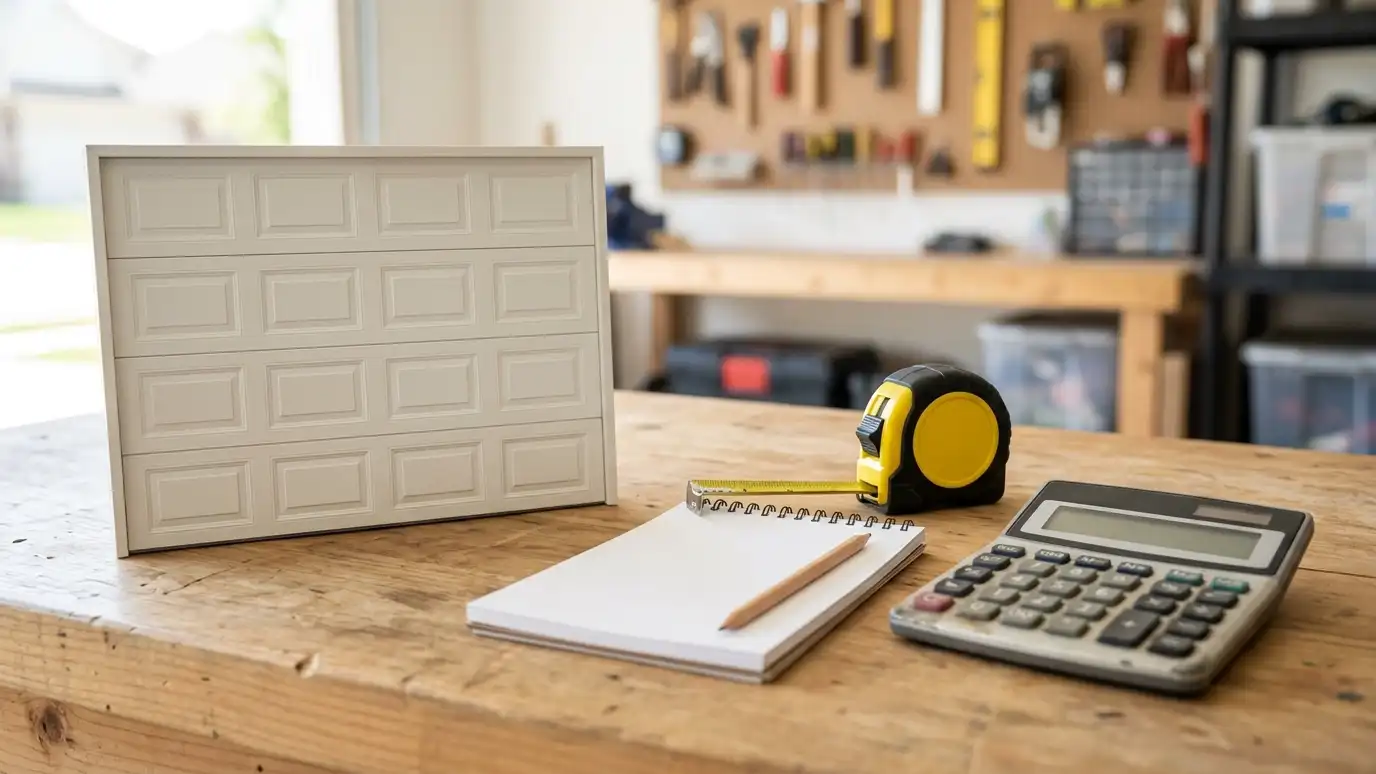
Write down the width and height you need, including the tallest vehicle or load.
The more we know about use, the better we can recommend a door.
Consider the people who use the door as well as the equipment. Drivers, staff and visitors all have different habits, and the design should make the safe way the easy way for each of them.
Door types
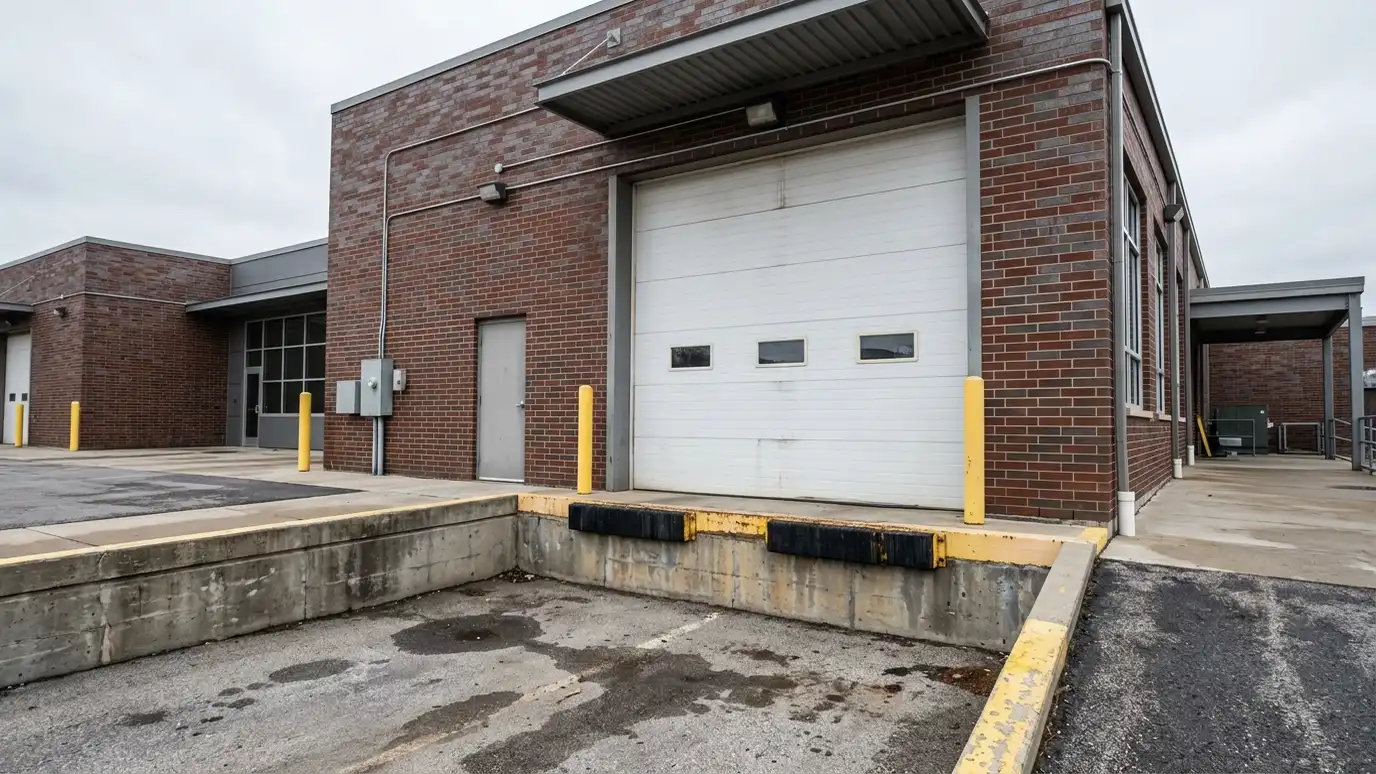
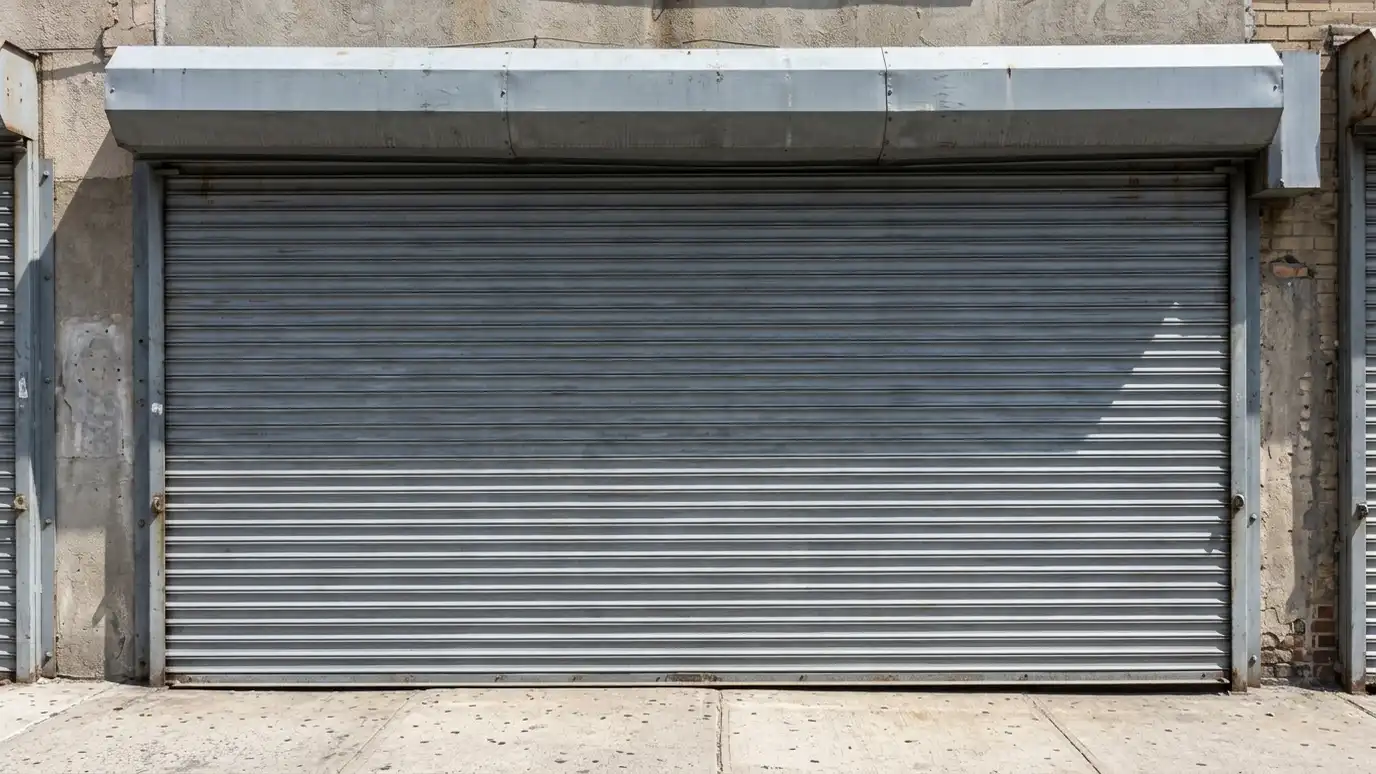
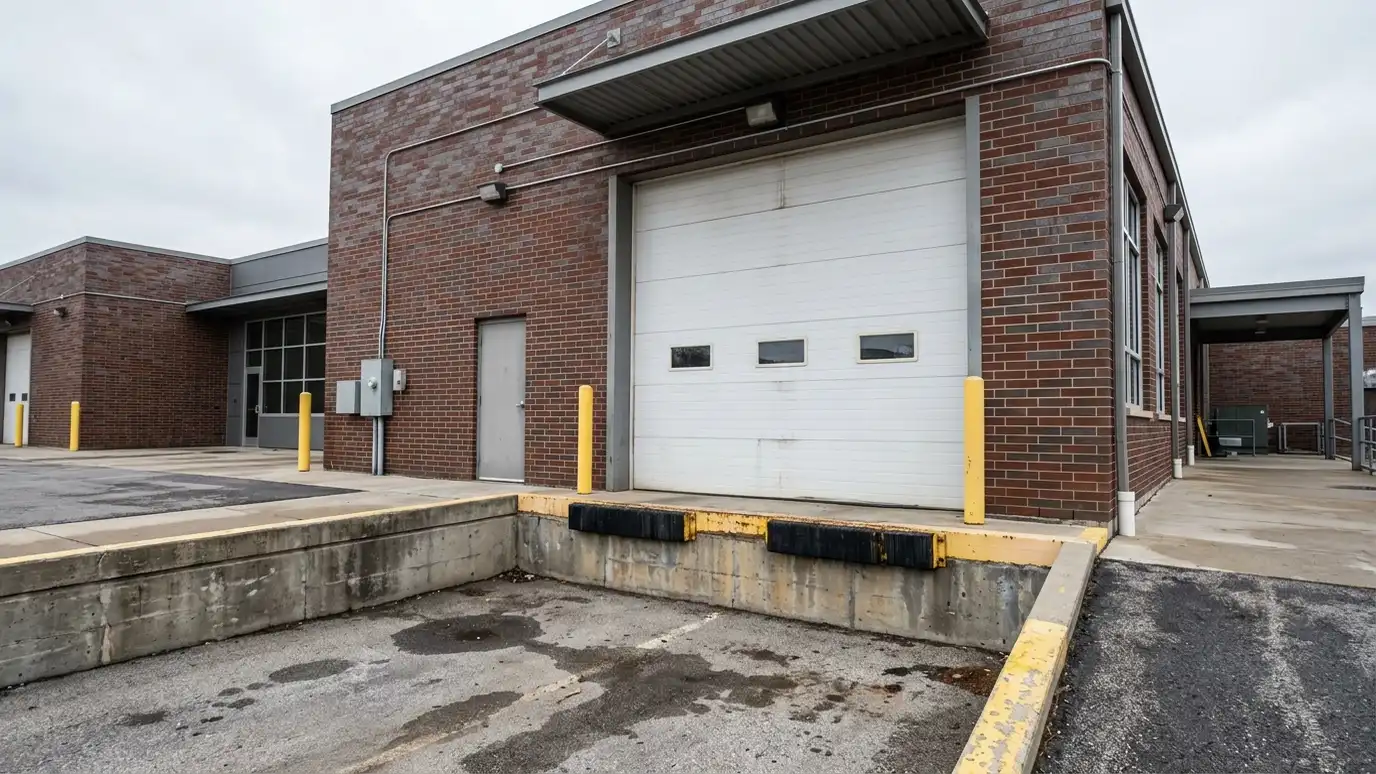
Sectional overhead doors suit shops and service bays. Rolling steel doors suit tight spaces and strong security. Dock doors serve loading areas, and full-view aluminum doors suit showrooms and restaurants.
Each has its own cost, maintenance and look.
We compare options with you for your opening.
Think about sightlines and windows. Sectional doors with glass bring in light and show what is happening outside, while solid doors give more security and quiet. We help you choose by the job the door has to do.
Operators and controls
Commercial operators come in trolley, jackshaft, hoist and gear-head types. Controls include push buttons, keypads, remotes, loops and access control. Choose an operator rated for the number of cycles your door will see.
Think about how staff and visitors will use the door.
We install and program the controls and train your team.
Ask about duty cycle ratings for operators. A unit built for light use will not last long on a busy dock, and the right rating prevents repeat failures and unexpected downtime.
Safety and protection
Photo eyes and edge sensors protect people and vehicles. Guides and bumpers protect doors from forklifts and trailers. Clear markings and training reduce damage and injuries.
Know how to use the manual release in an outage.
Test safety devices regularly, and keep records.
Plan for emergencies. Know where the manual release is, who is trained to use it and how to secure the opening if a door fails. A short plan on the wall of the building helps everyone act quickly.
Weather and energy
Insulated doors and good seals help control temperature and reduce energy use in bays and shops. Dock seals and shelters close gaps at trailers. Windows add daylight but should be chosen with security and glare in mind.
Think about drafts, dust and pests.
We look at the whole picture for your building.
Consider dust, wind and pests as well as temperature. Brush seals, weather seals and dock shelters reduce each of them, and they protect stored goods and the people working near the door.
Maintenance and records
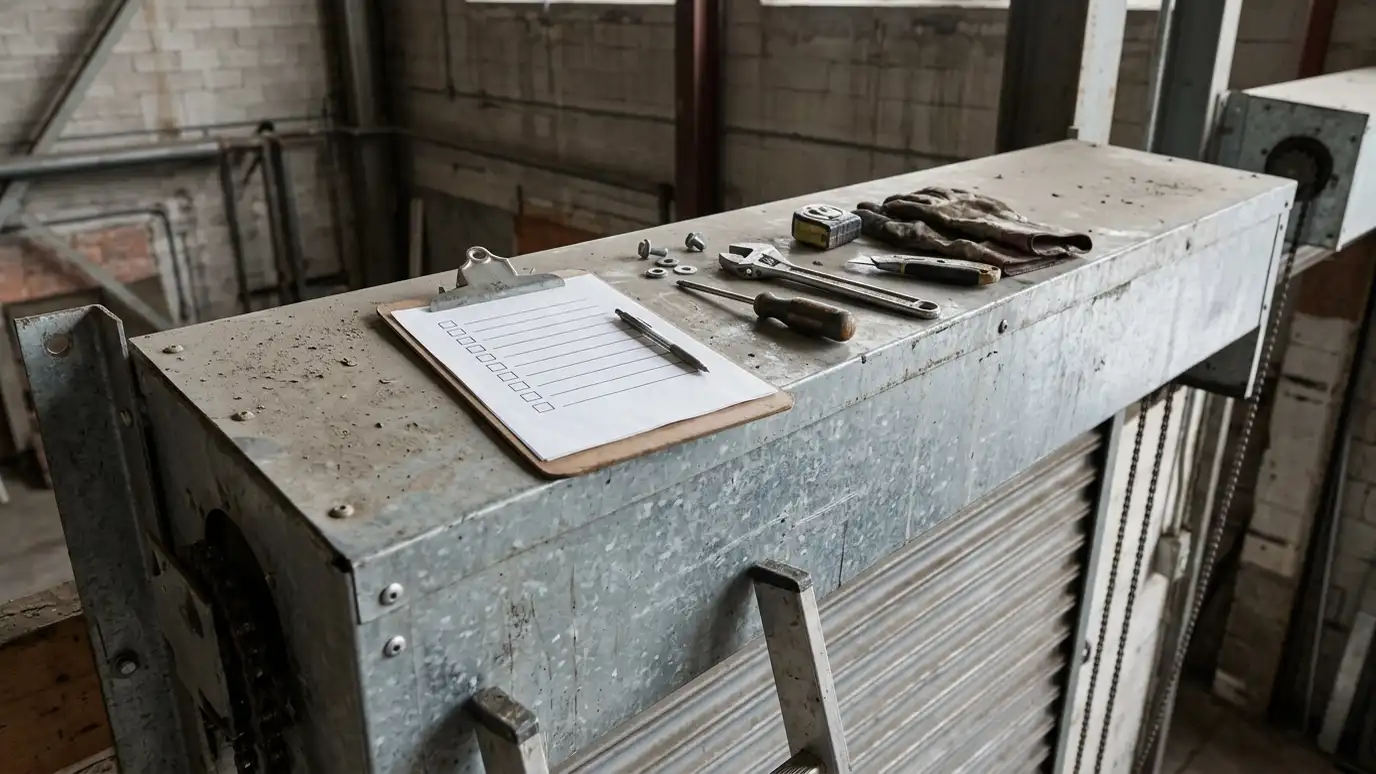
Busy doors benefit from scheduled inspections, lubrication and adjustments. A maintenance program with a written record helps you budget and shows which doors are nearing the end of their life.
Plan for spare parts for critical doors.
We offer programs that fit your operation.
Set a review each year. Look at which doors failed, which cost the most to repair and which are nearing the end of their useful life. A short review turns repair data into a replacement plan.
Choose doors and operators for your real traffic, protect them from impact and put maintenance on a schedule.