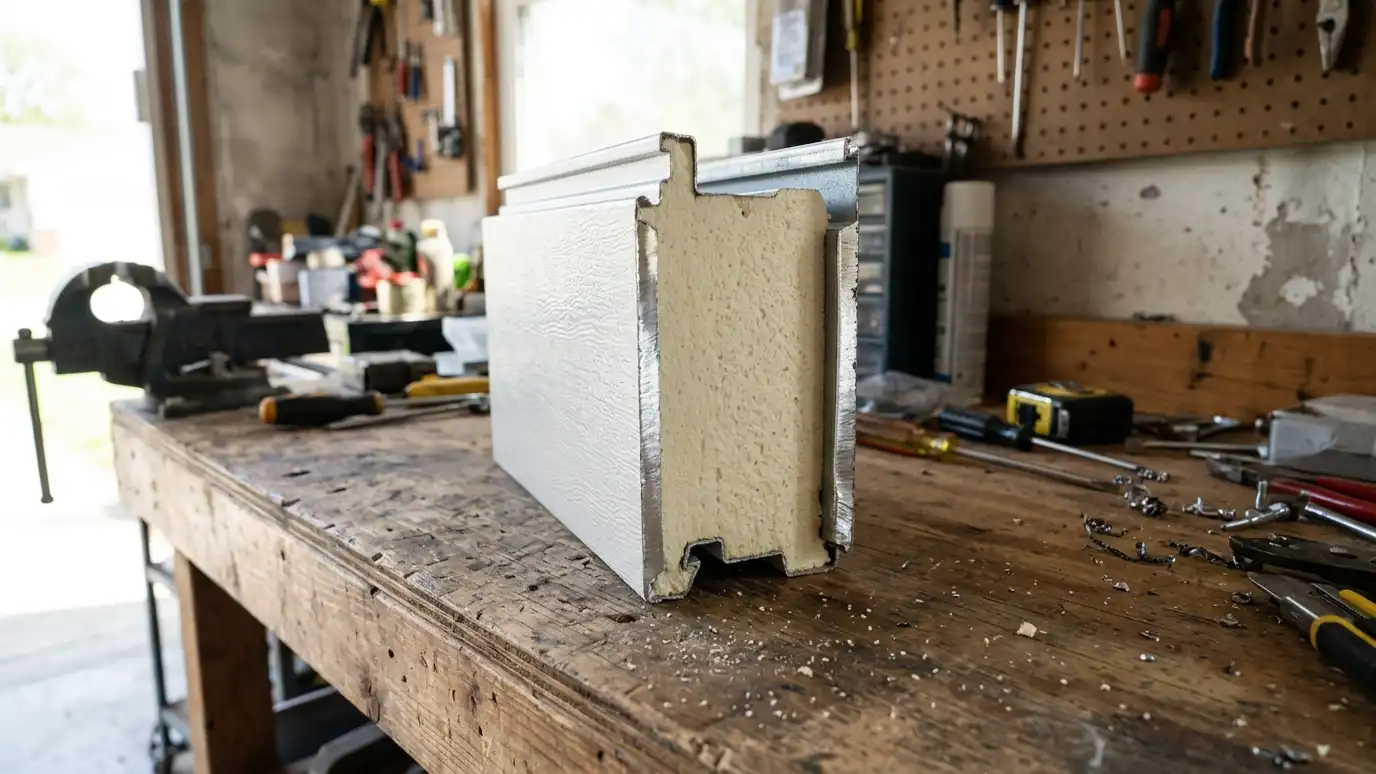
Doors with foam insulation inside the sections for a quieter, stiffer, more comfortable garage.
An insulated garage door has foam inside its sections, and the difference is easy to feel. The door is stiffer, quieter and better at slowing heat and cold, which matters for attached garages, workshops, home gyms and rooms above the garage. In Nashville, where summers are hot and winters can be sharp, insulation can make the garage more comfortable to use.
We explain the two common foam types, polystyrene and polyurethane, and what R-value means for the section and for the whole door. We look at how you use the space, whether it is attached to the house and how much heat or cold gets in. Then we recommend a thickness and style, check that your opener can handle the extra weight and install the door with good seals all around.
Polystyrene panels are lighter and often less costly, while polyurethane foam is injected, bonds to the skin and usually adds more stiffness and insulating value.
R-value is often quoted for the section. Gaps and seals change what the whole door really does.
A foam-filled sandwich makes the door stiffer and quieter, and it dents less easily.
Good bottom, side and top seals keep the benefit of the insulation.
Drag the handle to compare.
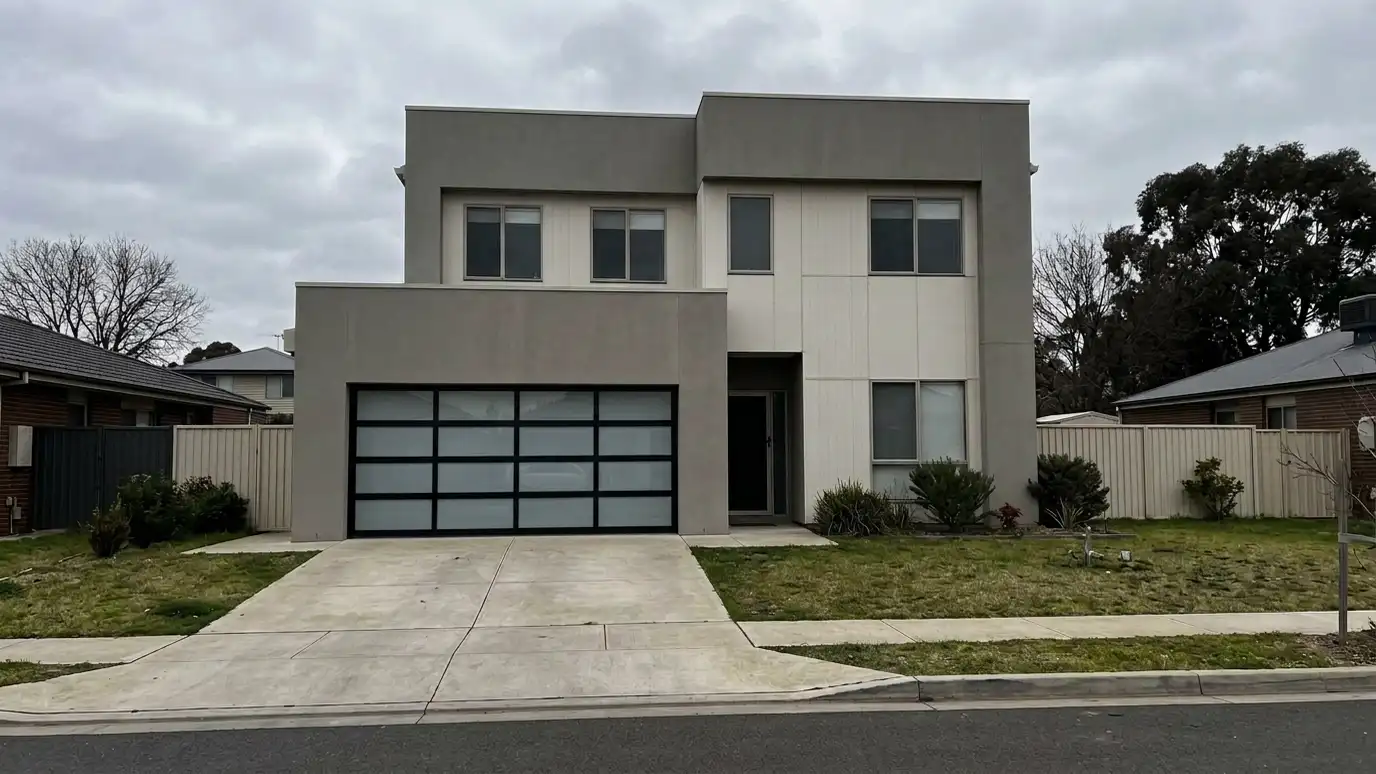
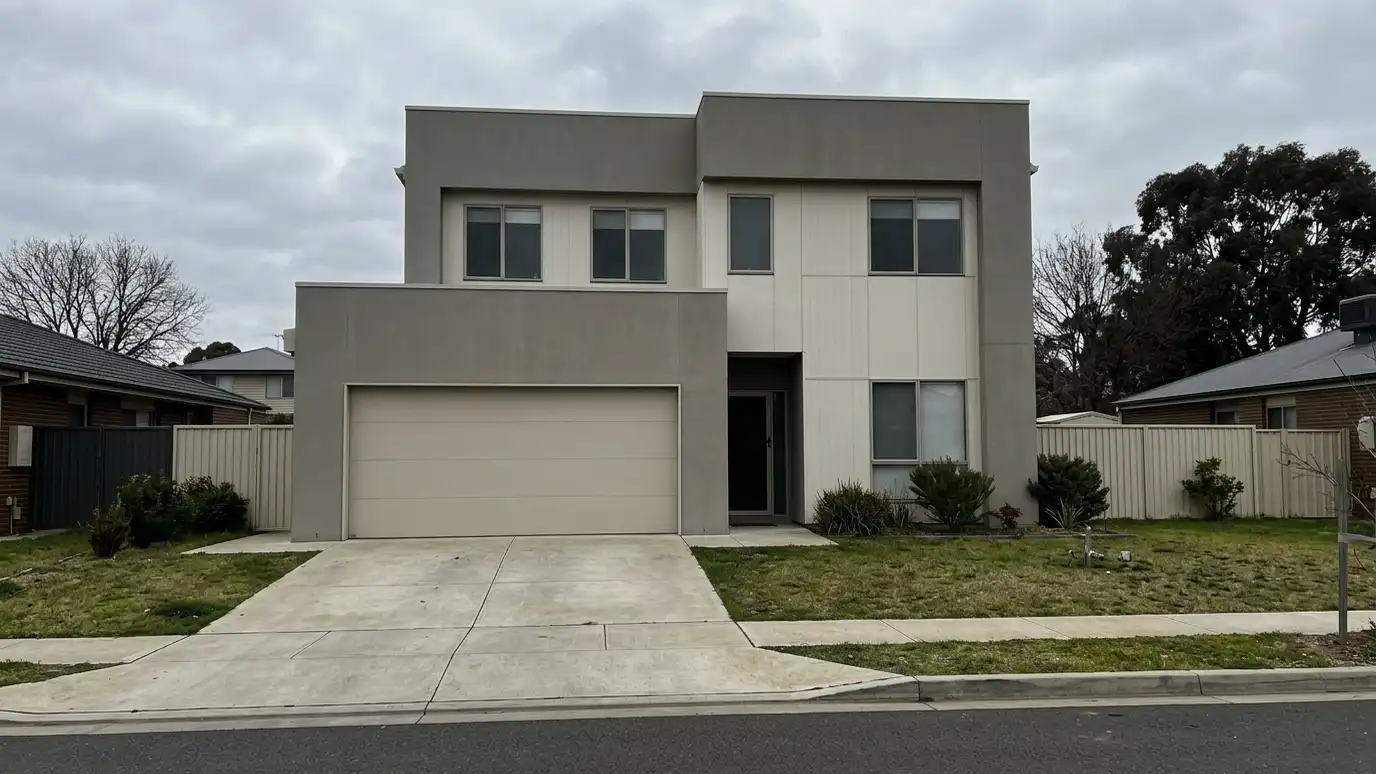 BeforeAfter
Foam dampens noise from the door and the opener.
Slows heat in summer and cold in winter.
Less flex and fewer dents.
Helpful for rooms attached to or above the garage.
Springs and opener sized for weight.
Weatherstripping included.
Every topic has its own page with what to expect and how we approach it.
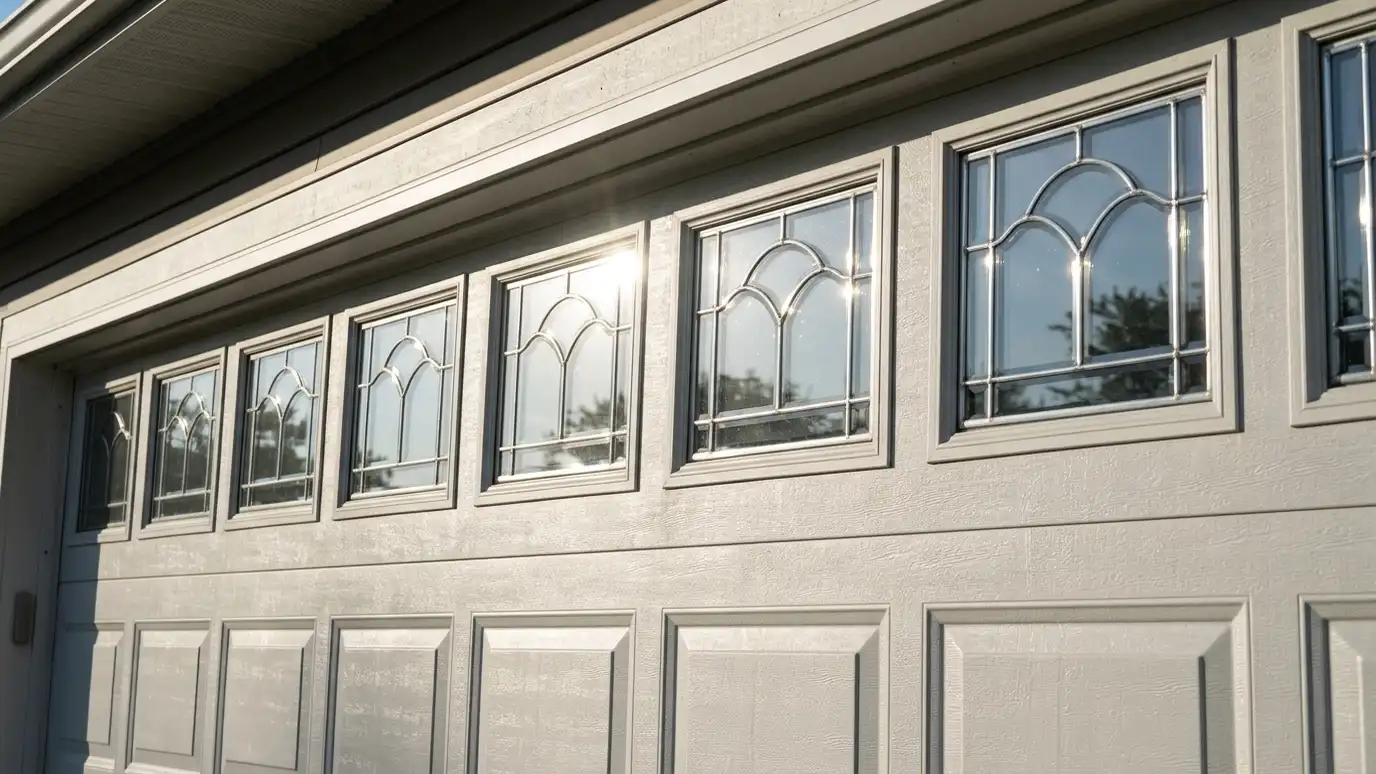 Topic guideWindows and Decorative GlassWindow patterns, glass types and placement compared for light, privacy, insulation and style.Learn more
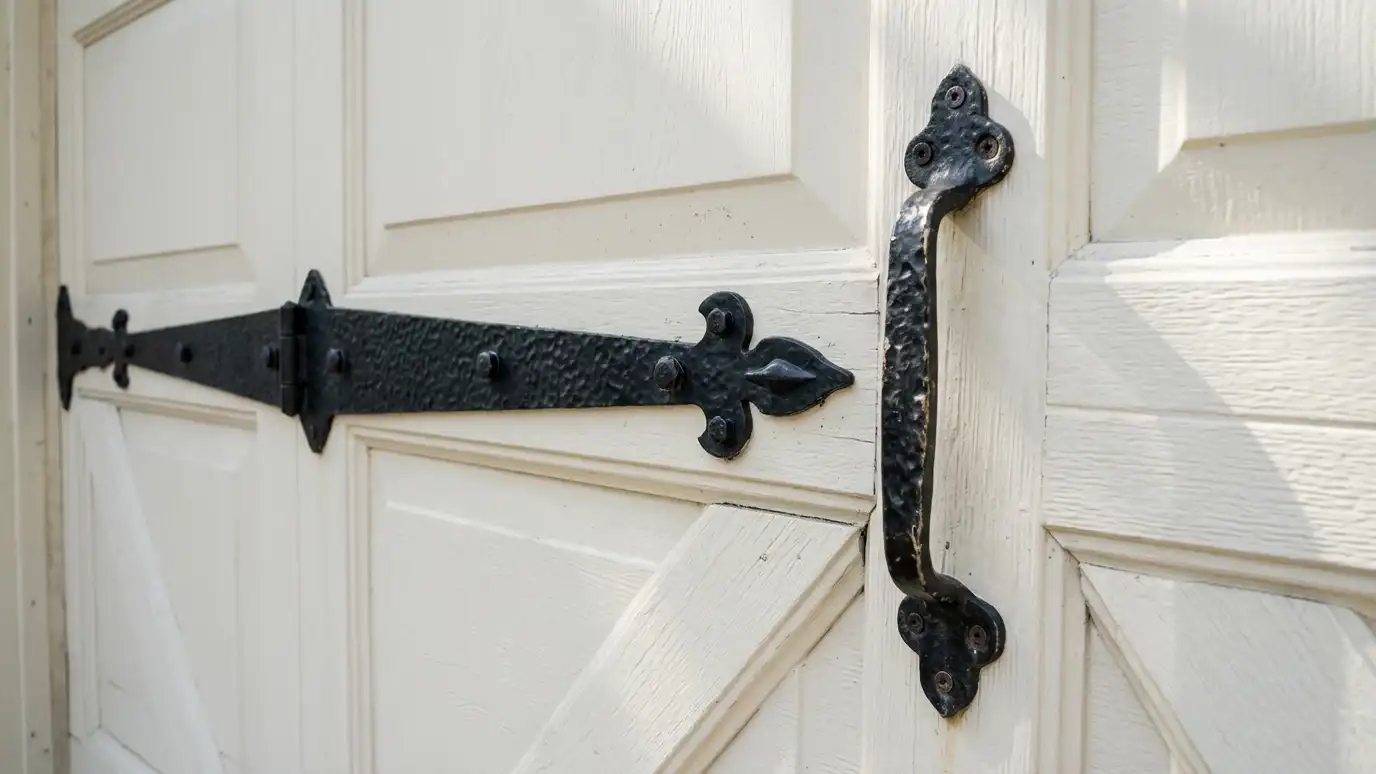 Topic guideHardware and FinishesHandles, hinges, rollers, tracks and finishes compared, with decorative and working hardware explained.Learn more
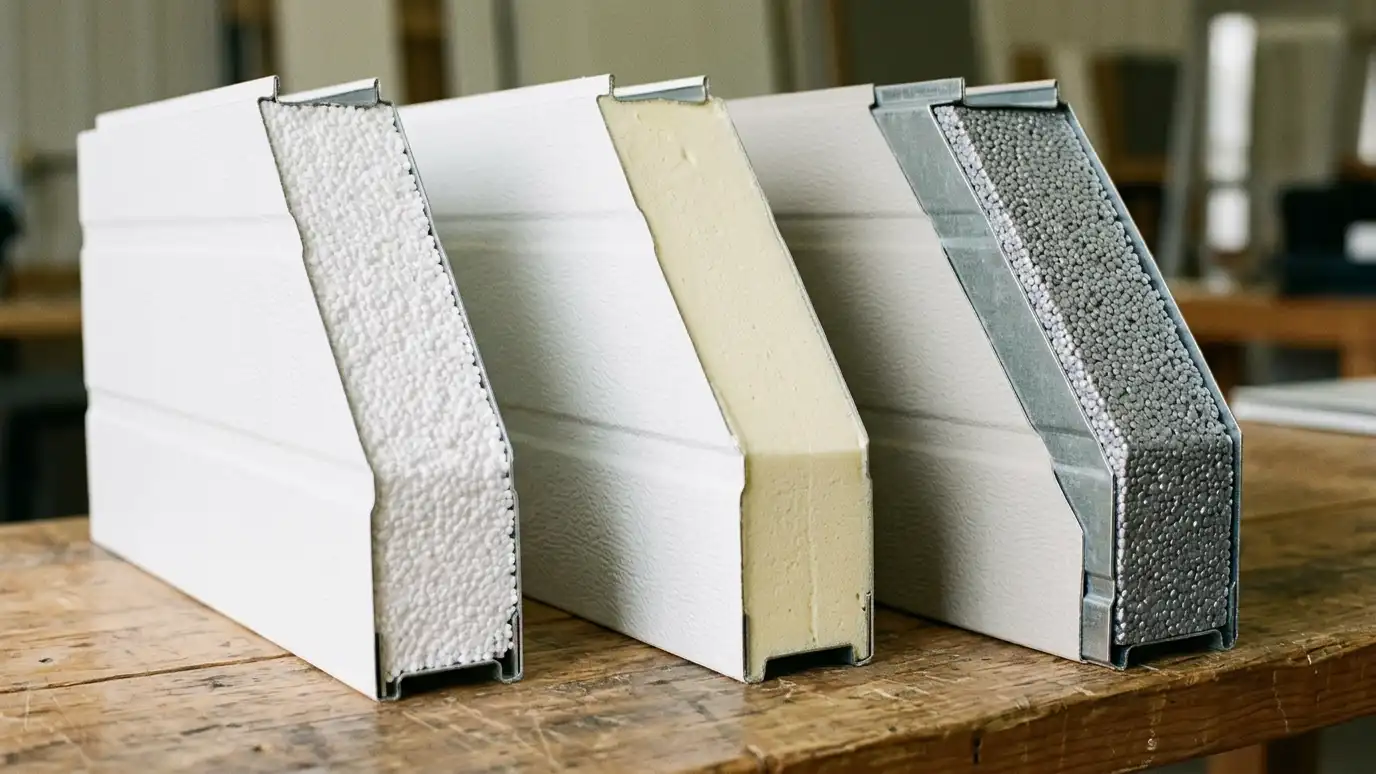 Topic guideInsulation and R-ValueUninsulated, polystyrene, polyurethane and kit-insulated doors compared for comfort, quiet and stiffness.Learn more
Pick how your garage is used and how it is attached to the house to see whether an insulated door or a kit usually makes sense.
You tell us what you want or what the door is doing, and we set an estimate visit that fits your day.
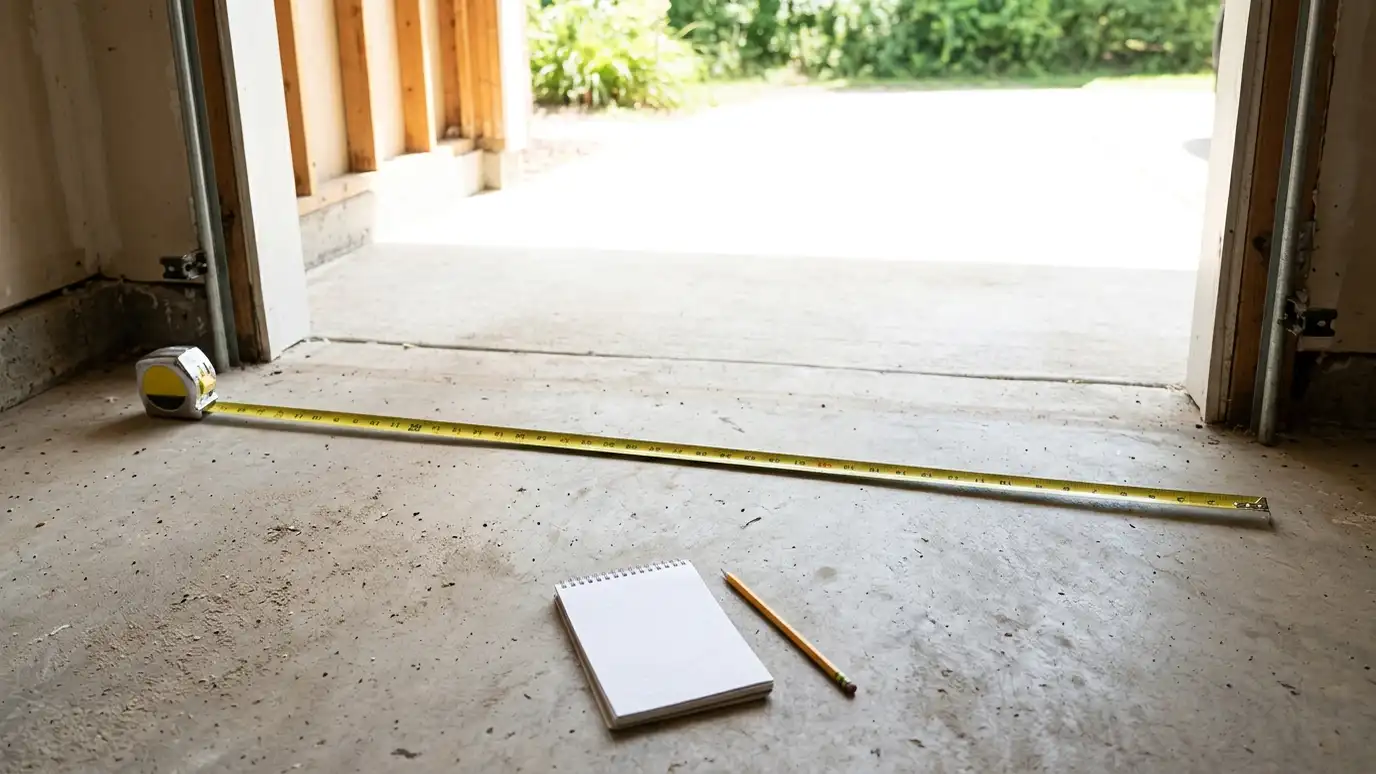
We measure the opening and the headroom, side room and back room, check the framing and note options for the door, tracks and opener.
You get a plain written scope with the door model, insulation, hardware, opener and schedule, and you approve it before anything is ordered.
The door and parts are ordered or built to your size, and we confirm the install day once they arrive.
We remove the old door, set the tracks, hang the door, balance the springs, mount the opener and test every safety feature.
We clean up, haul away the old door if you asked, walk you through the finished work and explain how to care for it.
For attached garages, workshops and rooms above the garage it can improve comfort and quiet. See our insulation picker for a quick check.
That depends on how you use the space. We explain the options and what they mean in practice.
Heavier doors can need a stronger motor, and we check balance and opener power.
Often yes with a kit. See our insulation kits and upgrades page.
Yes, foam-filled doors are noticeably quieter than single-layer doors.
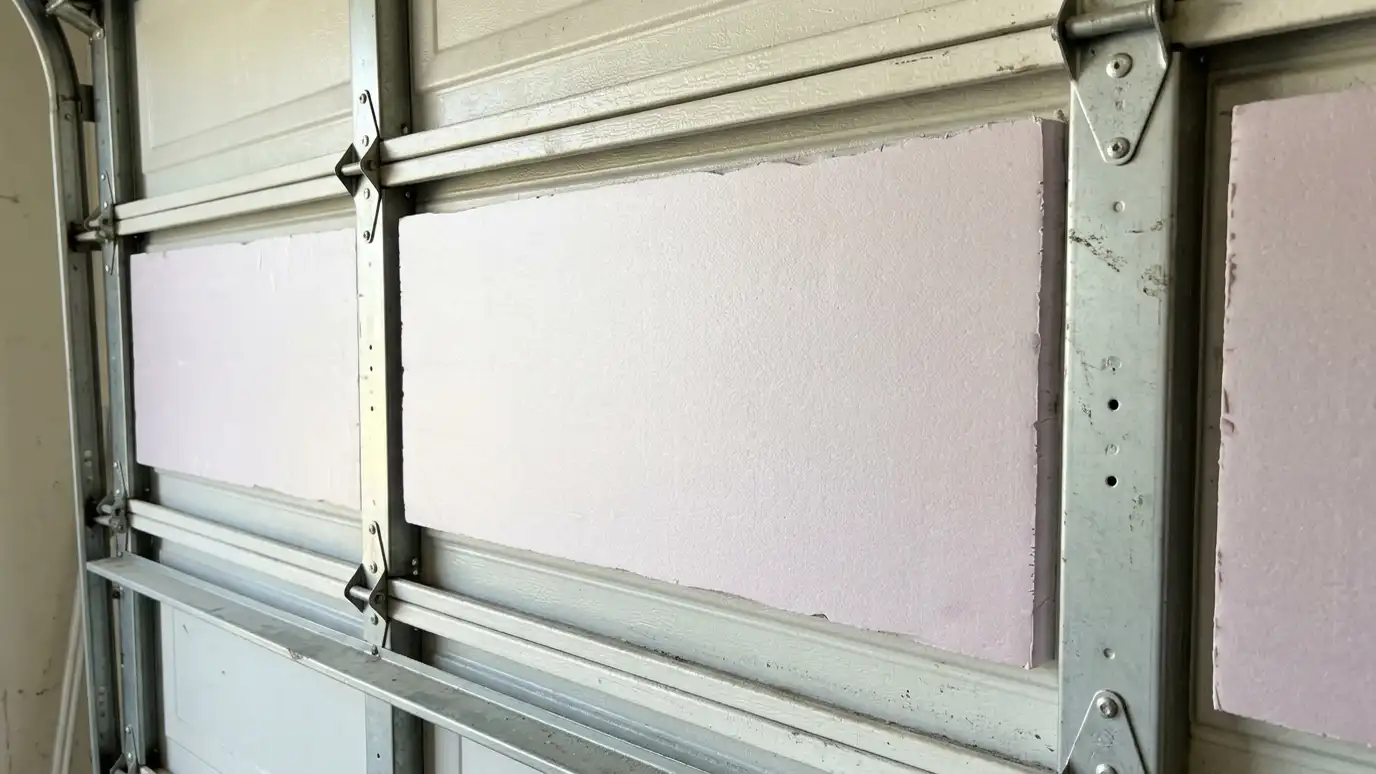 Garage Door Insulation Kits and UpgradesAdd foam or reflective insulation to an existing door to make the garage quieter and more comfortable.Explore
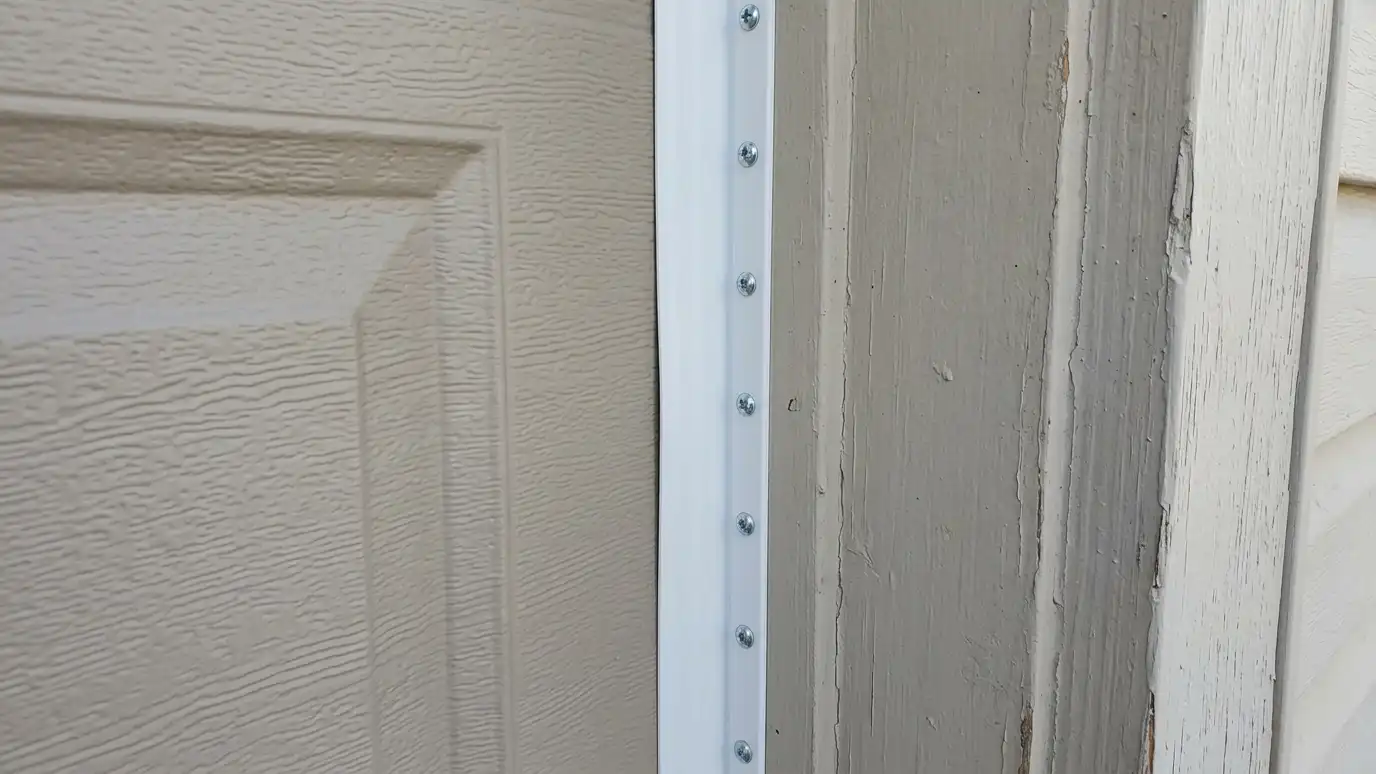 Garage Door Weatherstripping and SealingNew bottom, side and top seals that keep out rain, drafts, dust and pests.Explore
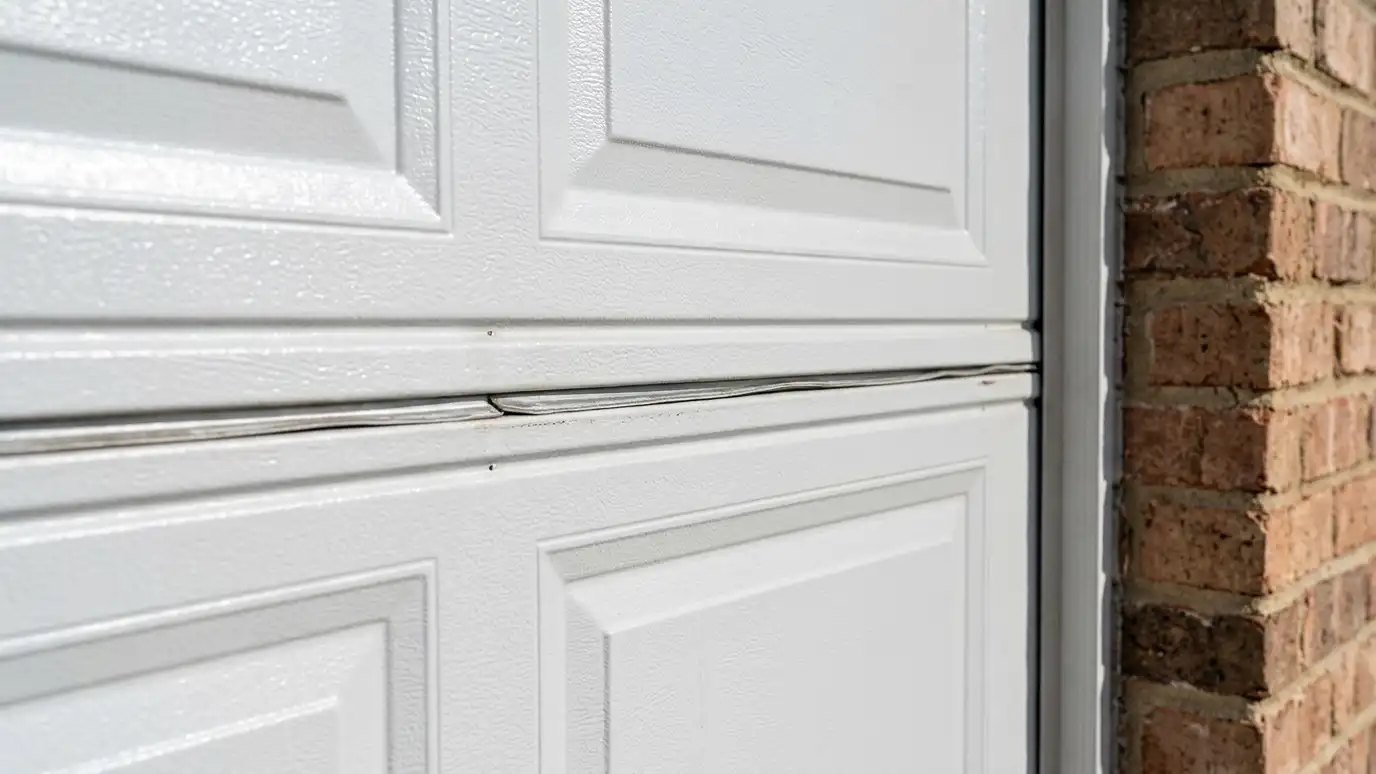 Steel Garage DoorsDurable, low-upkeep steel doors in raised panel, flush and carriage-house looks, with options for insulation and color.Explore
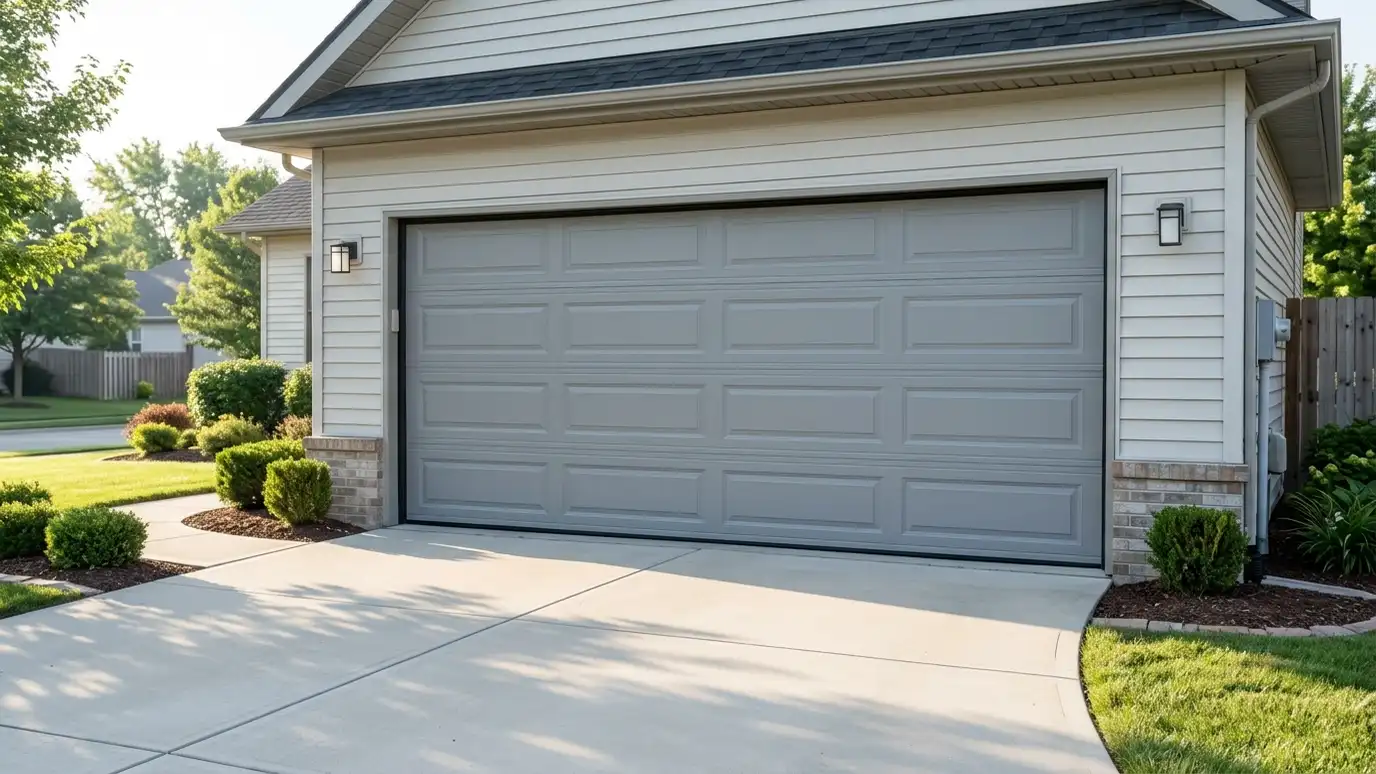 New Garage Door InstallationA complete new door, tracks, springs, hardware and seals, measured for your opening and set level, balanced and…Explore
Tell us about your project and we will call you back to set up a visit.
Or call (615) 357-7797 to talk now.