Start with safety
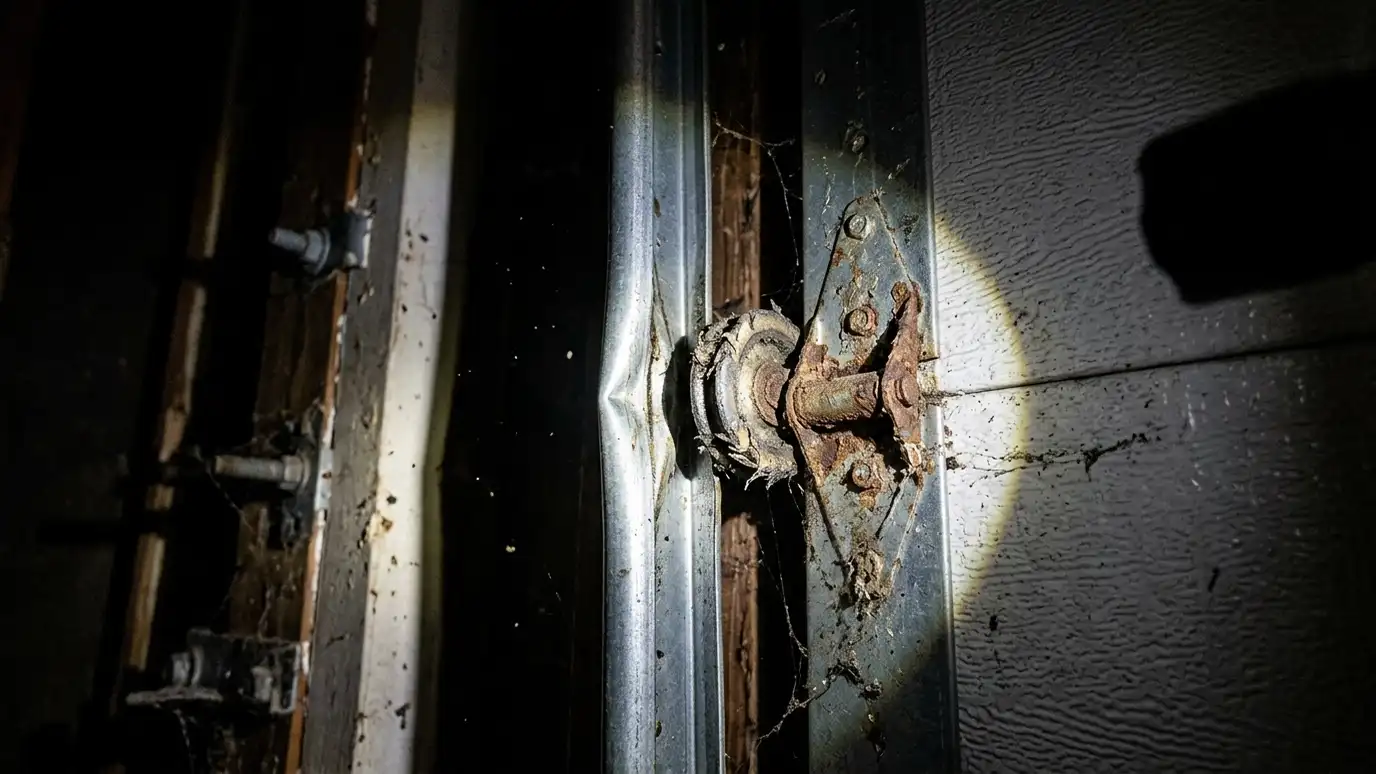
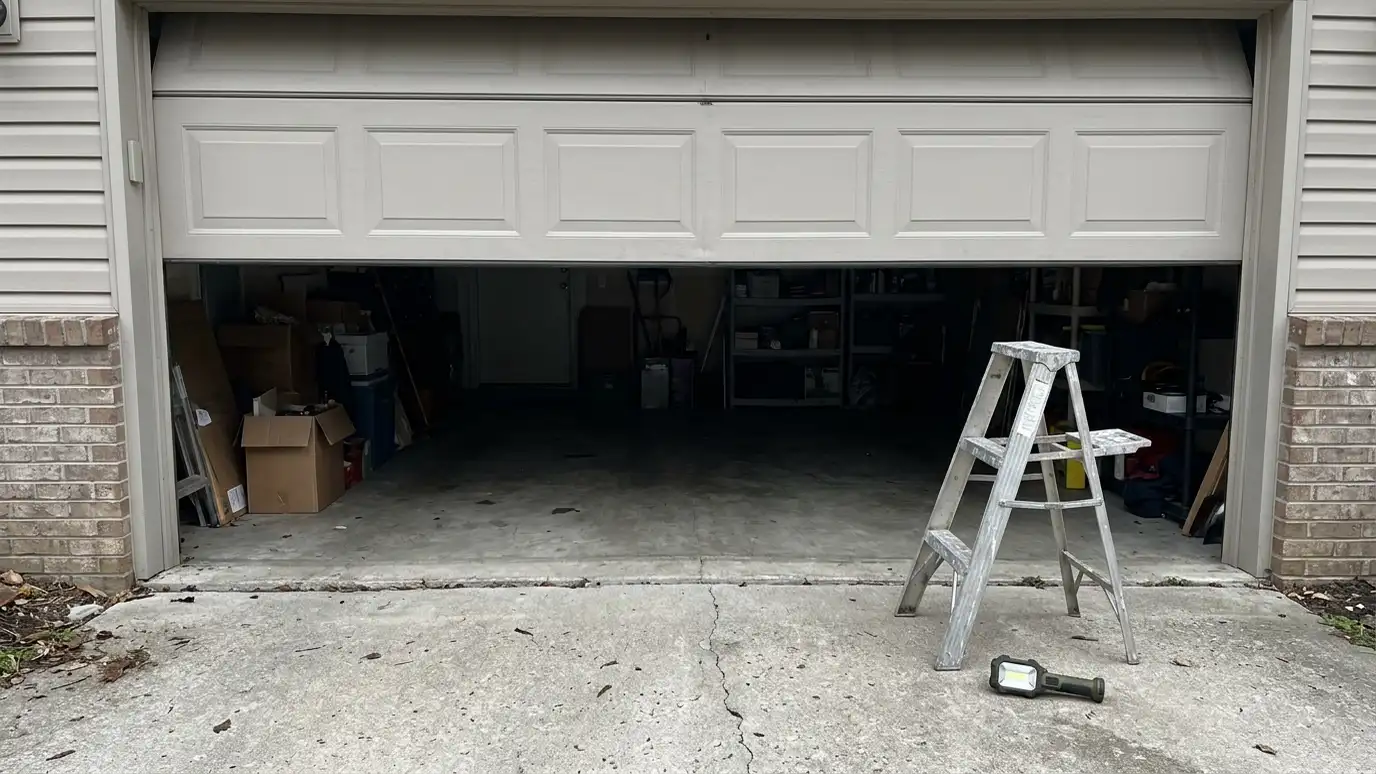
If you see a broken spring, a frayed cable, a door off its track or a door that is crooked, stop. Keep people and vehicles clear and do not try to force the door. These problems are dangerous and need a professional.
If the door is simply not responding, the cause is often simple and safe to check.
When in doubt, call us.
Make a habit of keeping a phone number for service on the wall of the garage. In a stressful moment, with a car inside and a door that will not move, it helps to have it close at hand.
Check the power
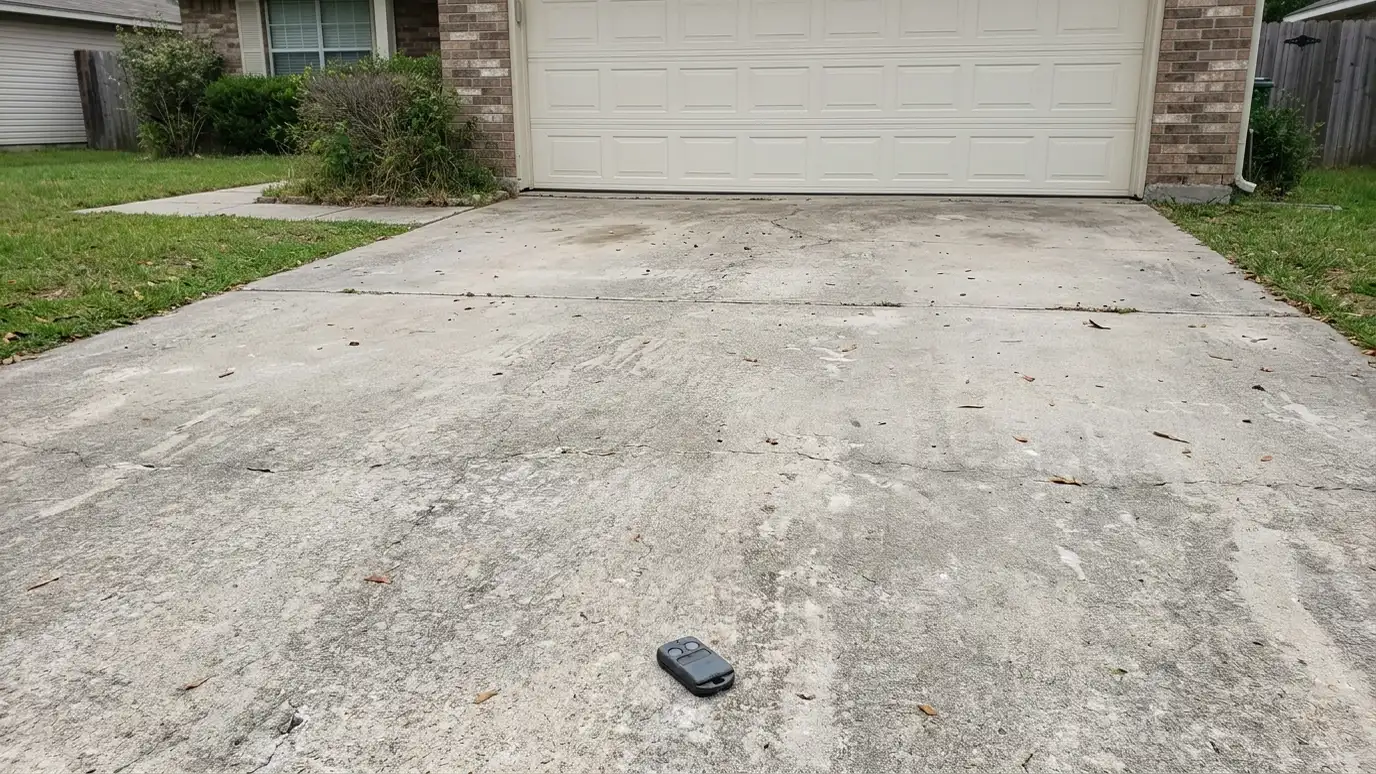
Make sure the opener is plugged in and the outlet works. Check that a breaker has not tripped and that the wall control is not set to a lock mode. Replace the batteries in your remote.
If the opener has lights, notice whether they come on.
A blinking light often gives a clue.
If you use a smart controller, check the app as well. A paused schedule, a locked setting or a dropped Wi-Fi connection can look like a failed opener, and a quick look often solves it.
Check the sensors
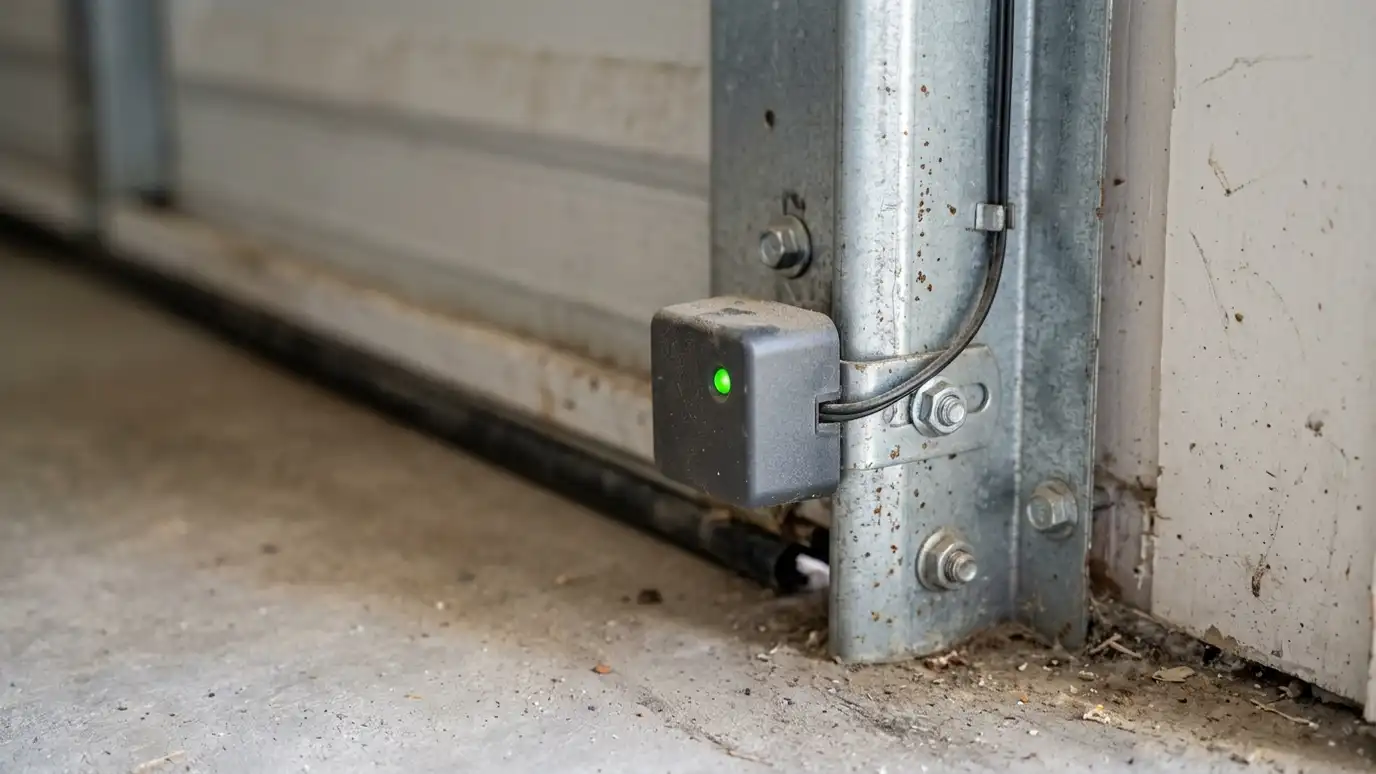
Photo eyes sit near the floor on each side of the door. If one is dirty, bumped or blocked, the door may refuse to close. Wipe the lenses and make sure the indicator lights are steady.
Sunlight on a sensor can confuse it, and a shade can help.
If the lights do not come on, a wire may be loose or cut.
Look at the sensor wires as well as the lenses. Staples that have pulled loose, wires chewed by mice and connections that have corroded are common, and a short repair often restores the beam.
Check for obstructions
Look for anything in the path of the door, such as a stray item, a bent track or ice at the bottom. Look at the track for dents or debris.
Never try to bend a track or push a door that binds.
If the door will not move and the opener hums, the door may be unbalanced or have a broken spring.
Notice whether the door stops or reverses at the same place each time. A repeated stop point usually means a bent track, a loose bracket or a limit setting, and the exact spot is a useful clue.
Use the manual release carefully
Pulling the release handle disconnects the opener so you can lift the door by hand. Do this only when the door is fully closed or fully open and the springs are healthy.
If the door feels very heavy, do not lift it. A broken spring can make it fall.
Reconnect the opener according to its instructions afterward.
If you use the release, reconnect it in the way shown in the opener manual. A trolley that is not reconnected can leave the opener running without moving the door, which looks like a failure.
When to call us
Call for broken springs and cables, off-track doors, doors that reverse for no reason after the basics, noises you cannot trace and any time you feel unsure. Describe what you see and hear.
Take a photo if you can, and note when the problem began.
Our problem checker tool can help you narrow the cause before you call.
When you call, tell us what you tried and what you saw. That information saves time, and it helps us bring the right parts to the visit so we can often finish the repair on the first trip.
Check power, sensors and obstructions, and stop and call for anything involving springs, cables or a crooked door.