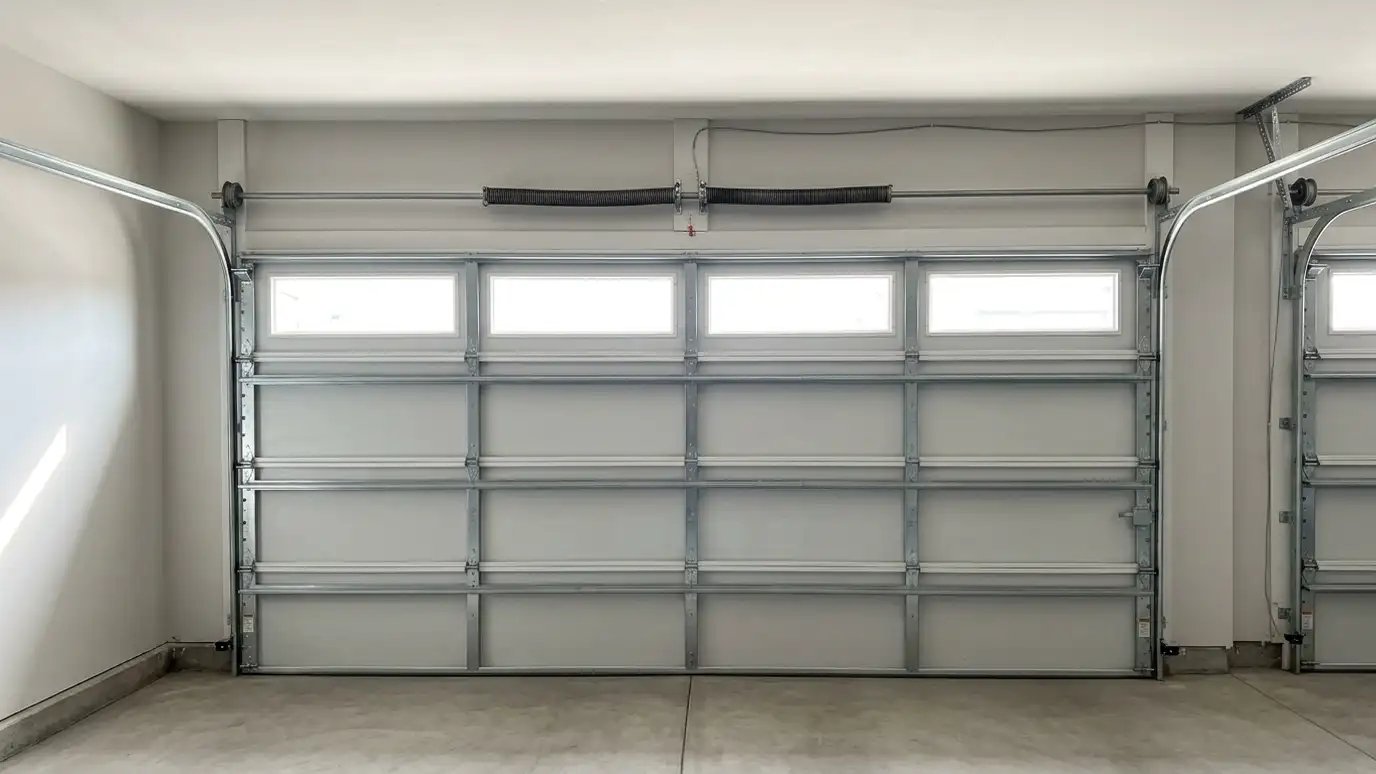
Convert an extension-spring door to torsion springs for smoother, safer, longer-lasting lift.
Many older doors use extension springs, which stretch along the tracks. They work, but they wear faster, wobble as they stretch and can be hazardous when they break. A torsion conversion replaces them with springs above the door, which lift more evenly and last longer. Homeowners in Nashville with older garages often choose conversion when a door is heavy, busy or noisy.
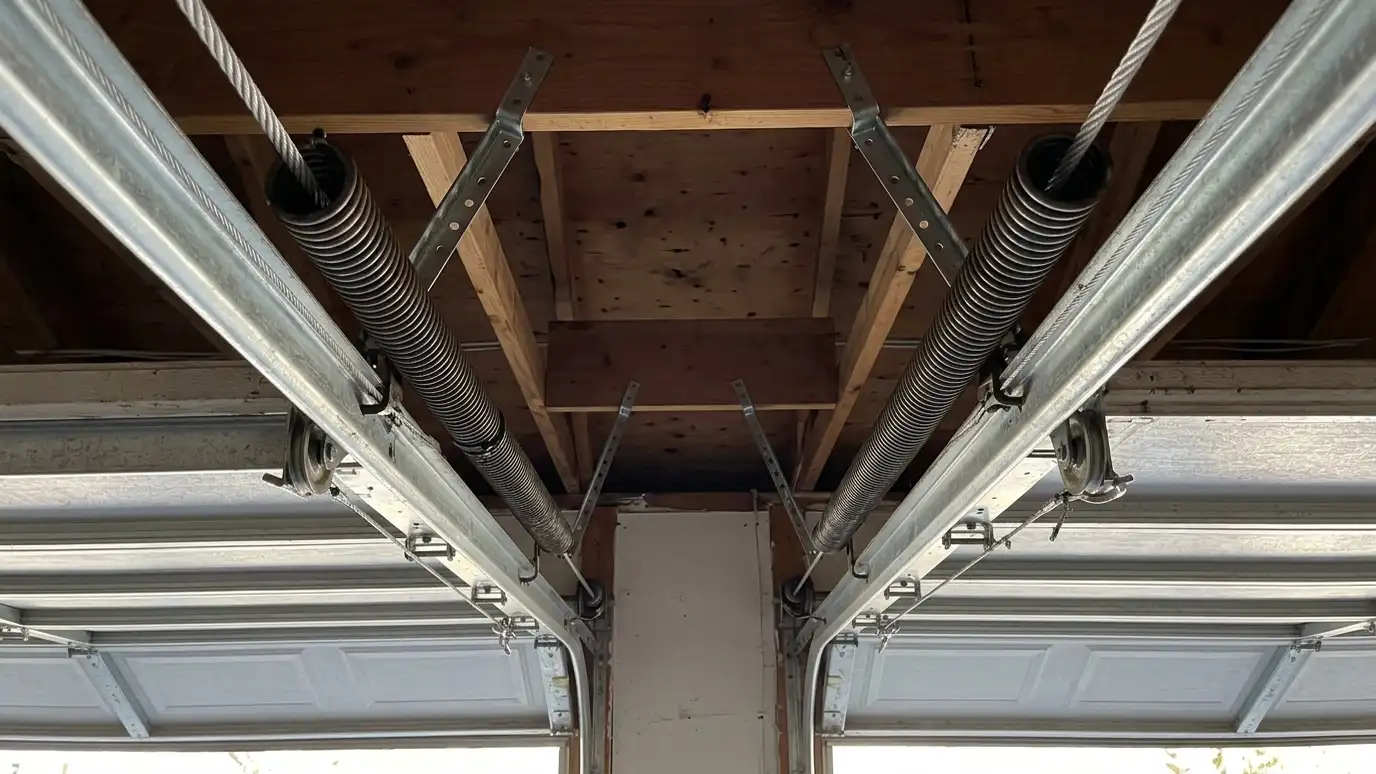
We check the door weight, the headroom and the framing above the opening to confirm a conversion will fit. Then we install a torsion shaft, springs, drums, bearing plates and cables sized to the door, remove the old extension parts and balance the door. We test travel, check the opener and walk you through the difference in how it feels. A conversion is also a good moment to look at the rest of the system. Old rollers, tracks and cables are common, and replacing them at the same time gives you a door that works like new, with one visit instead of several separate repairs spread over the year.
Torsion springs balance the door evenly, so travel is smooth and quiet.
Torsion springs typically outlast extension springs, especially with heavy use.
A torsion spring that breaks stays on its shaft, rather than whipping across the garage.
We check that there is room above the door and solid framing to anchor the shaft.
Drag the handle to compare.
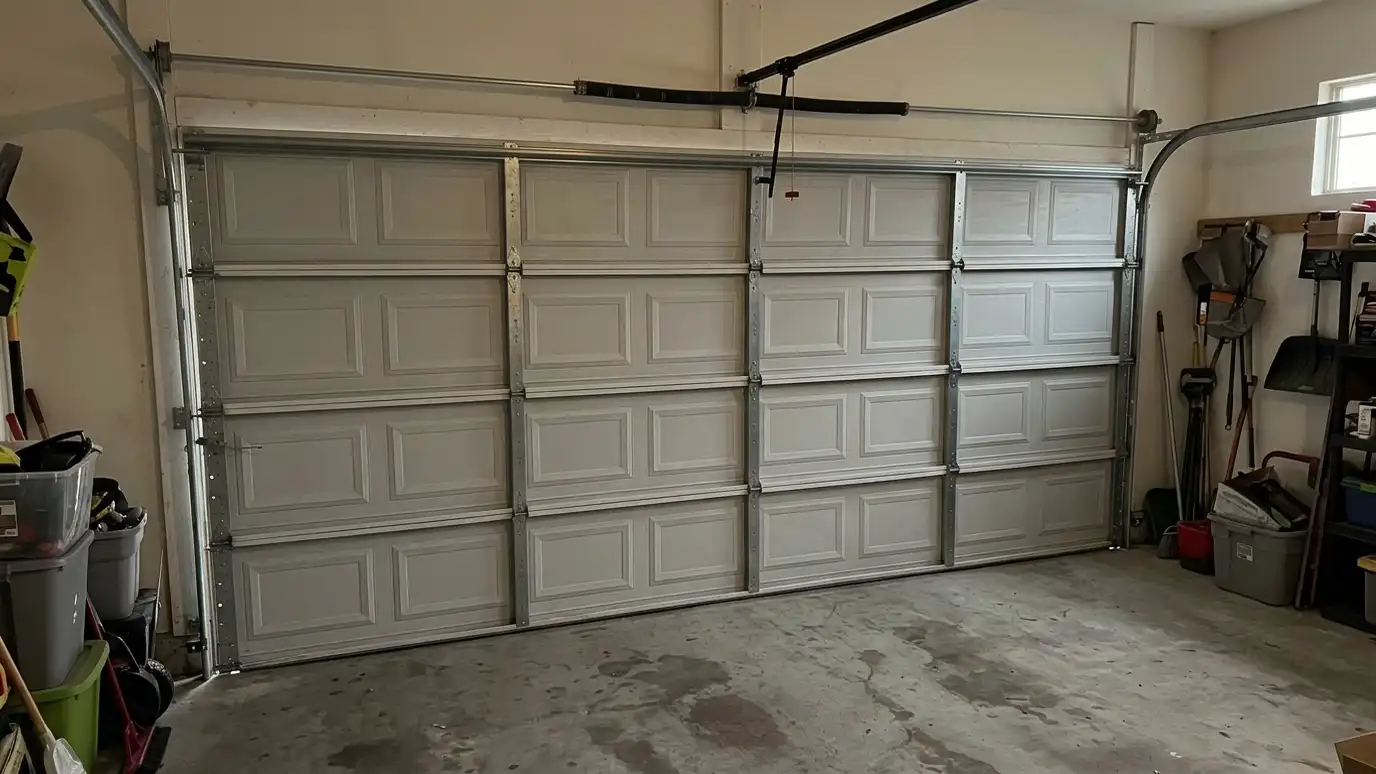
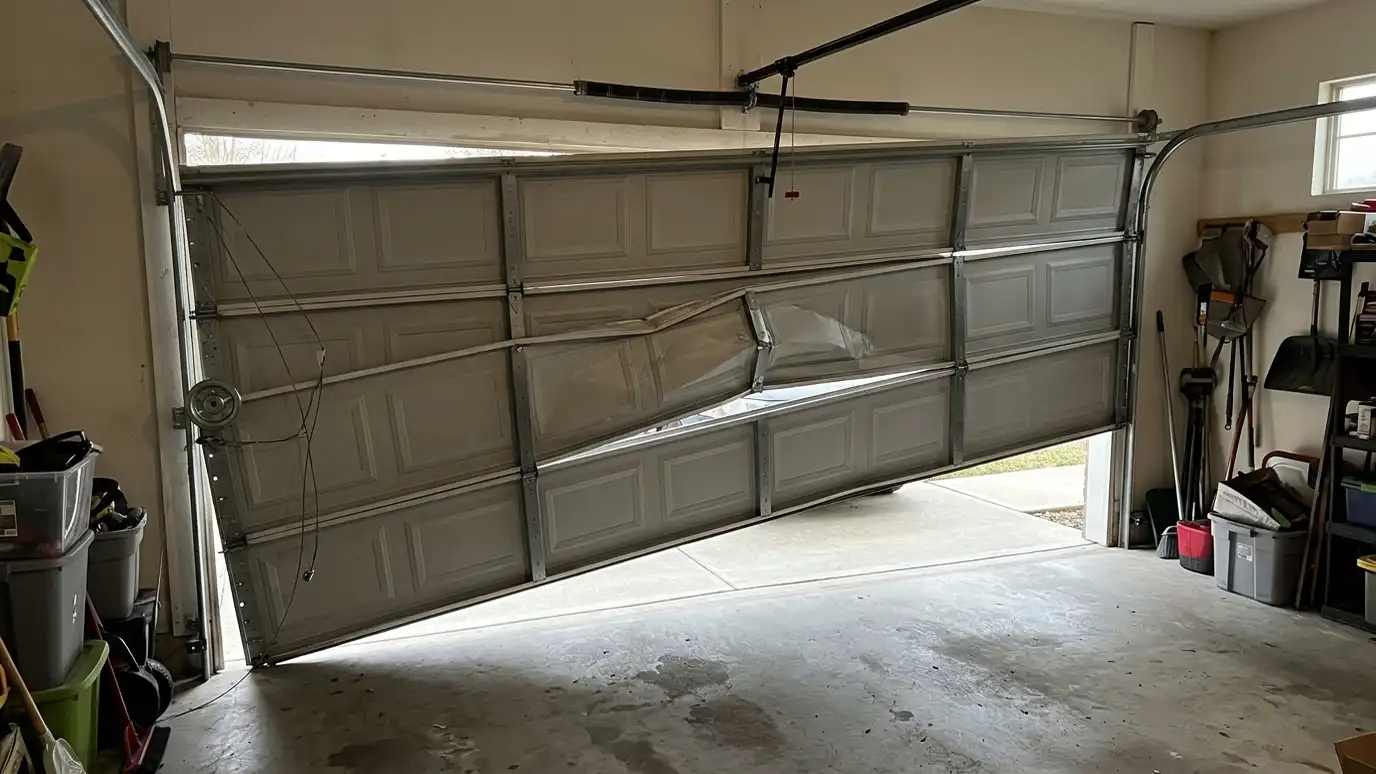 BeforeAfter
Headroom and framing reviewed.
Shaft, drums and springs sized to door.
Even balance and quieter travel.
Fewer spring calls.
Extension hardware taken away.
Travel and force reviewed.
Every topic has its own page with what to expect and how we approach it.
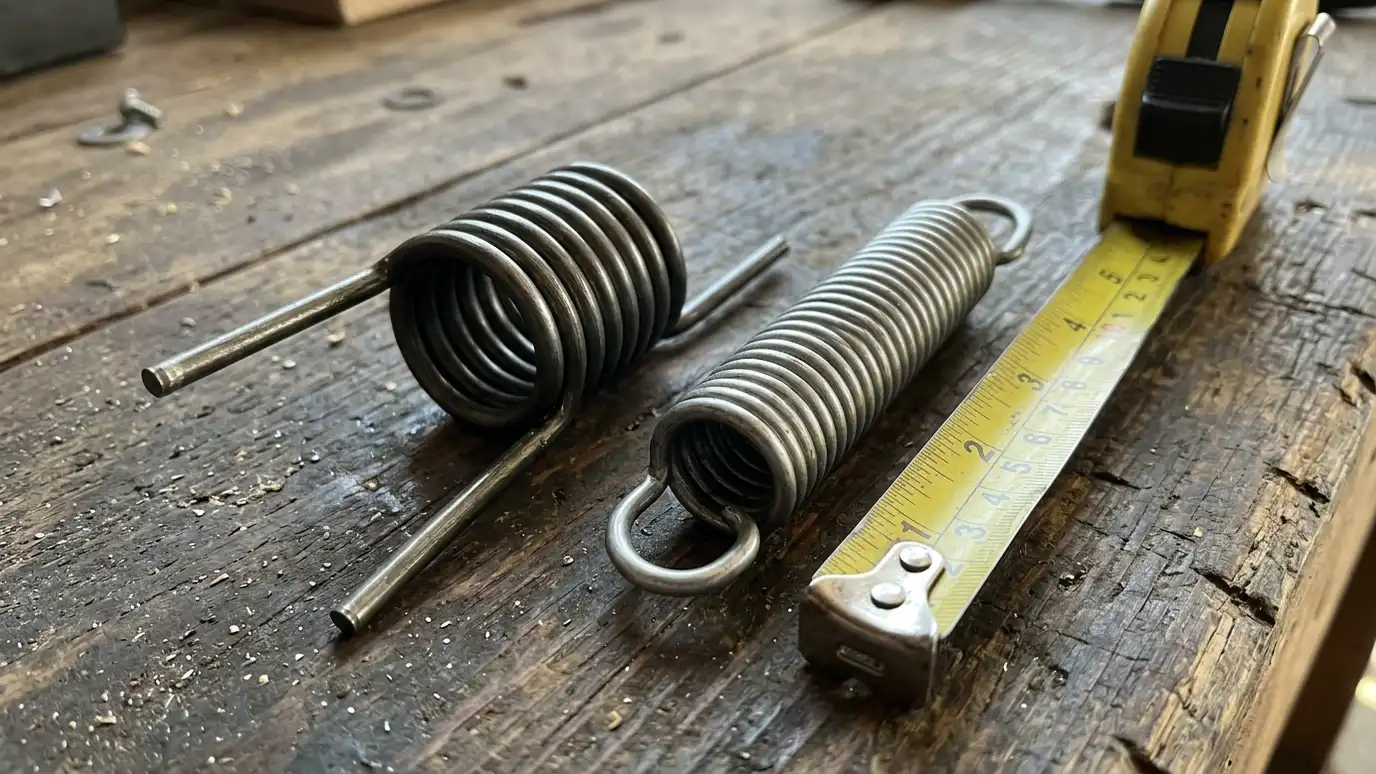 Topic guideGarage Door Spring TypesTorsion, extension, enclosed torsion and high-cycle springs compared for life, smoothness and safety.Learn more
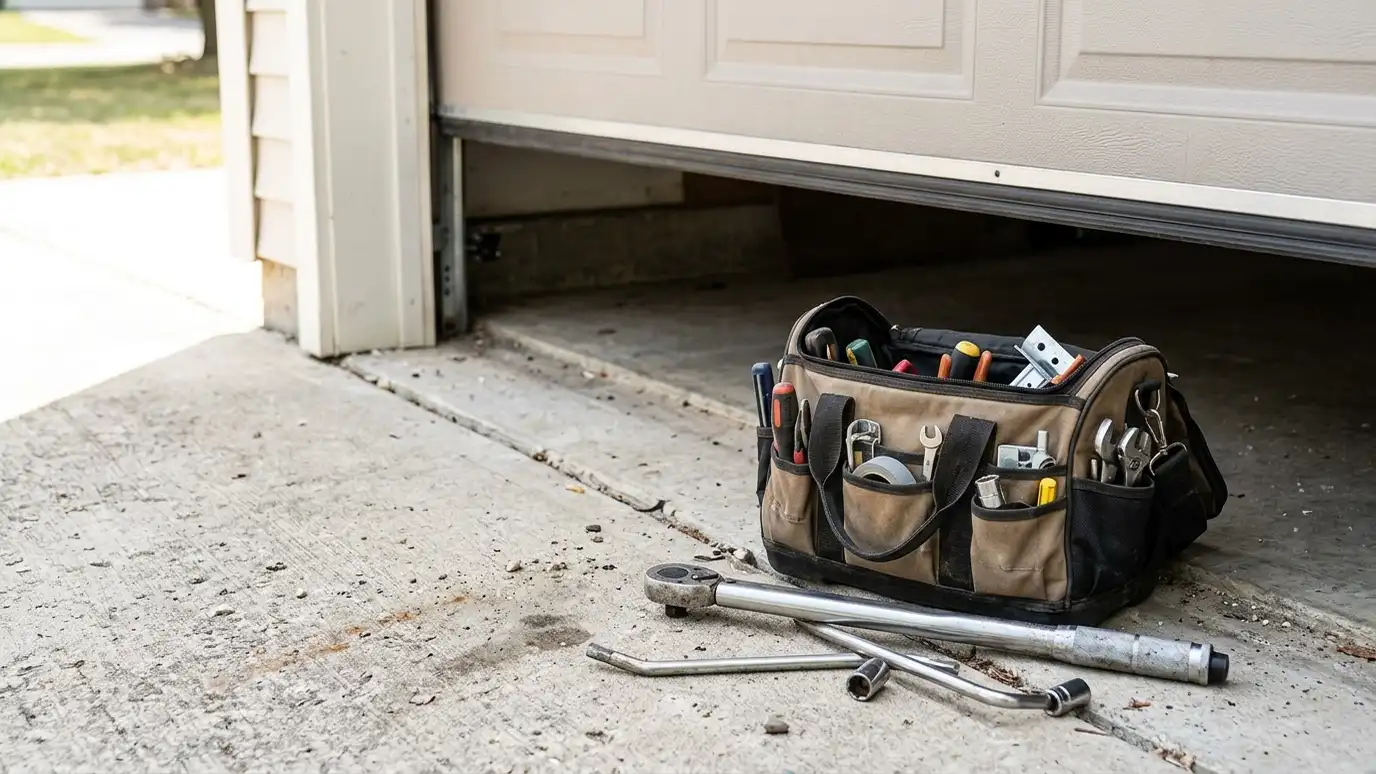 Topic guideProblems and CausesCommon garage door symptoms, their likely causes and what to do first, from noises and slow doors to…Learn more
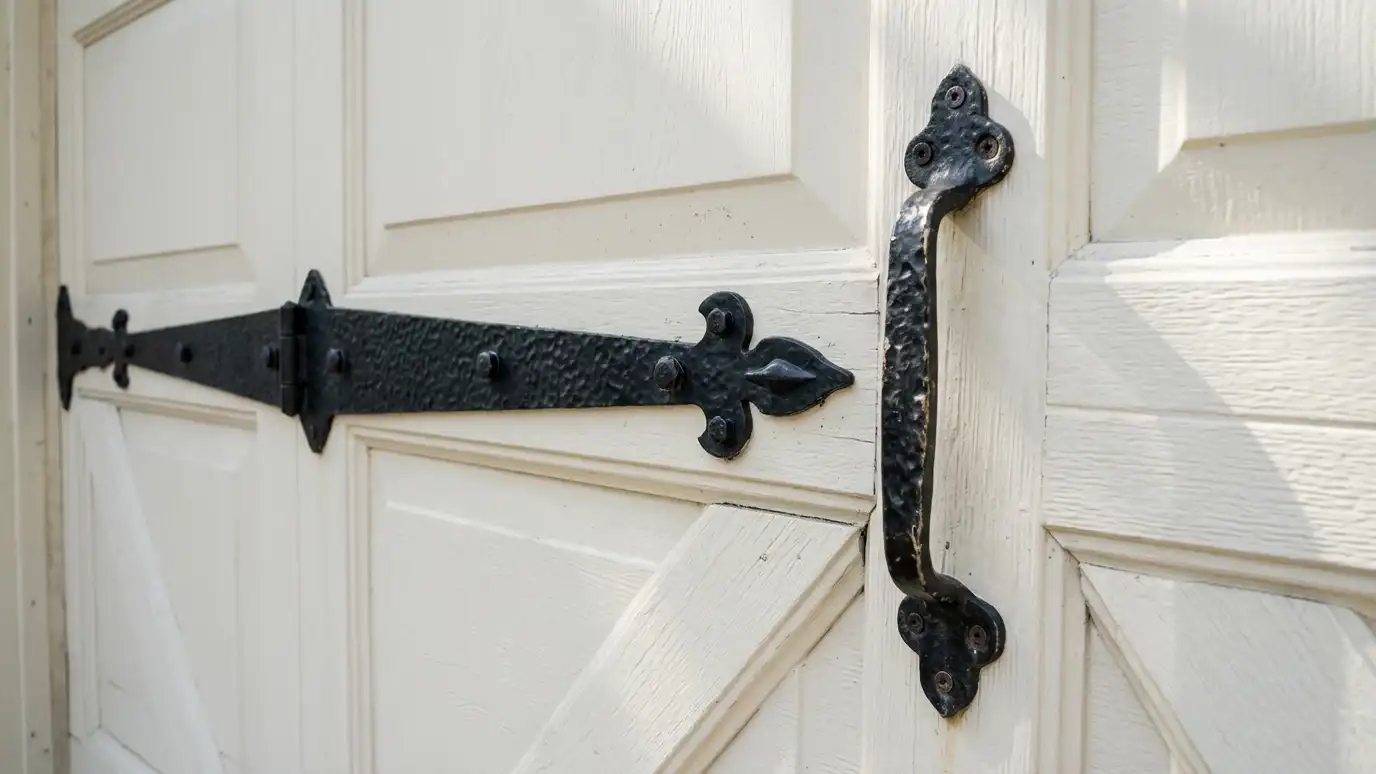 Topic guideHardware and FinishesHandles, hinges, rollers, tracks and finishes compared, with decorative and working hardware explained.Learn more
Enter your opening and the headroom, side room and back room you have to see the standard door sizes and track types that usually fit.
You tell us what you want or what the door is doing, and we set an estimate visit that fits your day.
We measure the opening and the headroom, side room and back room, check the framing and note options for the door, tracks and opener.
You get a plain written scope with the door model, insulation, hardware, opener and schedule, and you approve it before anything is ordered.
The door and parts are ordered or built to your size, and we confirm the install day once they arrive.
We remove the old door, set the tracks, hang the door, balance the springs, mount the opener and test every safety feature.
We clean up, haul away the old door if you asked, walk you through the finished work and explain how to care for it.
For heavy or busy doors it often is, because torsion springs last longer and run smoother.
We check headroom and framing before we recommend it.
Usually yes. A balanced door is easier on the motor.
Yes. A conversion uses cables and drums matched to the torsion system.
Many conversions take a few hours.
 Extension Spring ReplacementNew extension springs and safety cables for doors with springs along the horizontal tracks.Explore
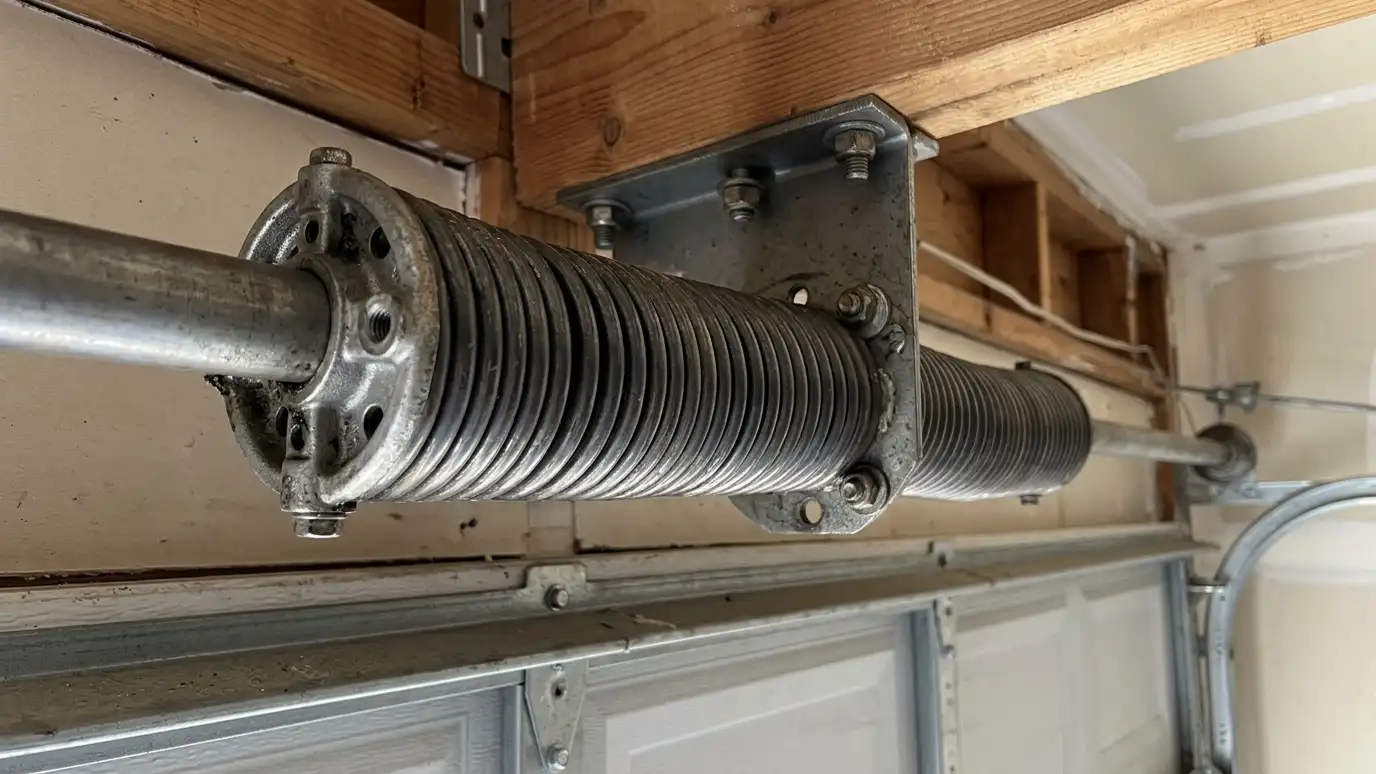 Torsion Spring ReplacementNew torsion springs sized to your door weight, installed with fresh hardware checks and a full balance test.Explore
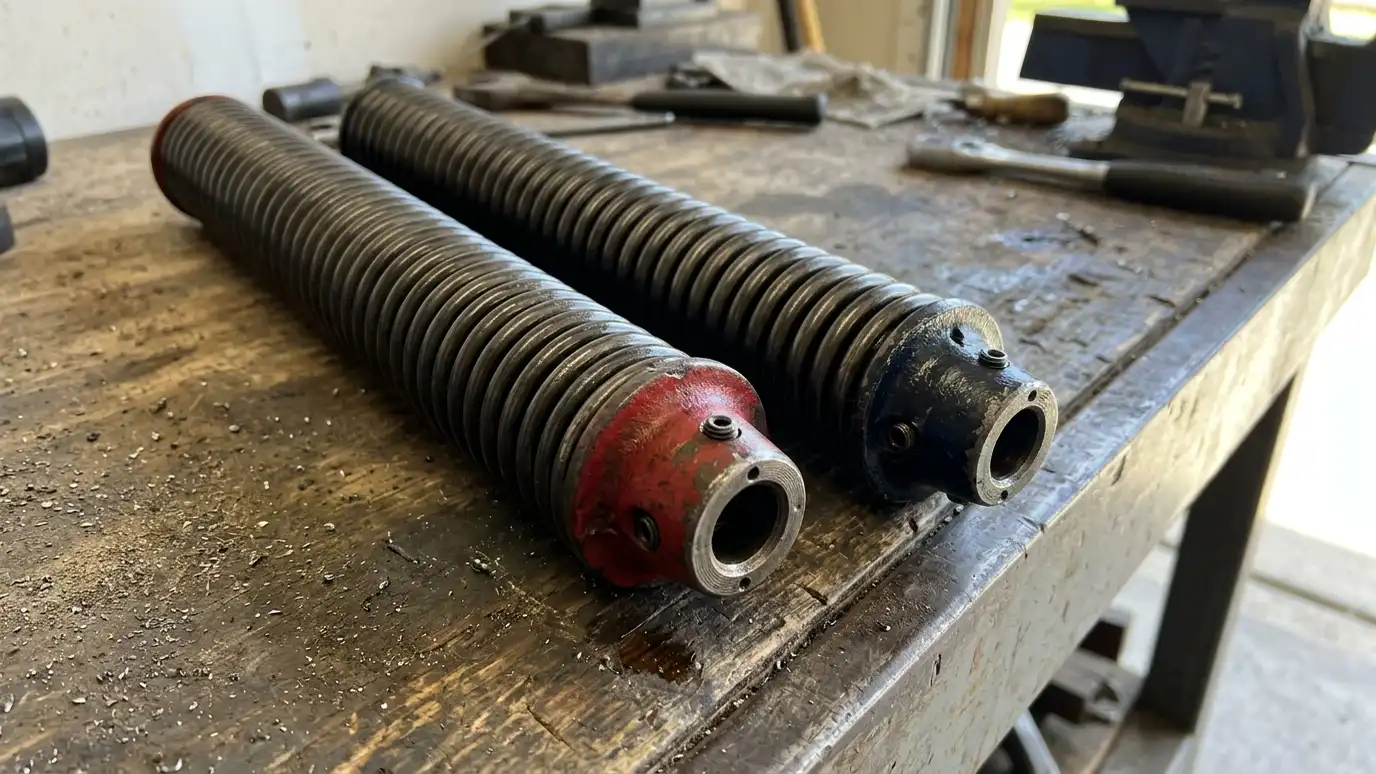 High-Cycle Spring UpgradeLonger-life springs for busy households and commercial doors that open many times a day.Explore
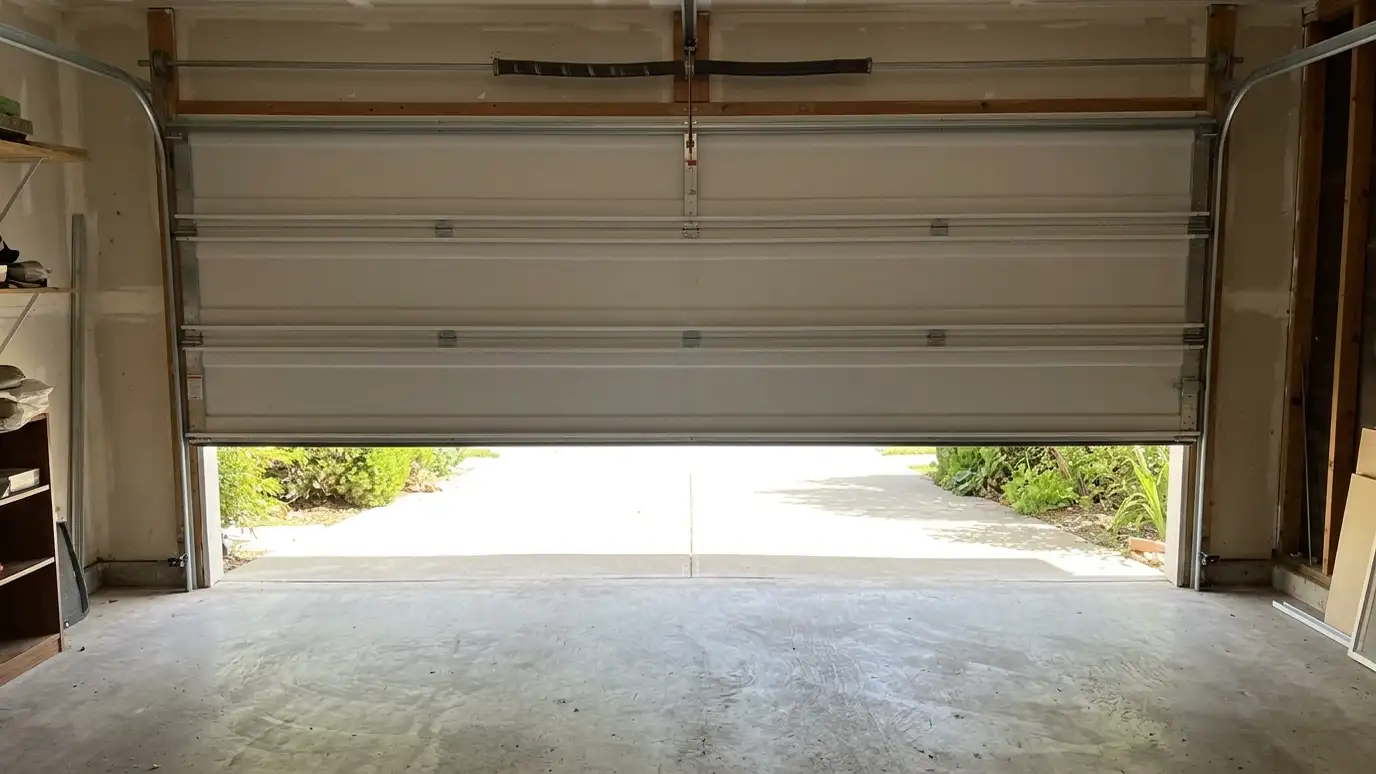 Garage Door Balance and AdjustmentSet spring tension and travel so the door stays where you leave it and the opener is not…Explore
Tell us about your project and we will call you back to set up a visit.
Or call (615) 357-7797 to talk now.