Look and listen monthly
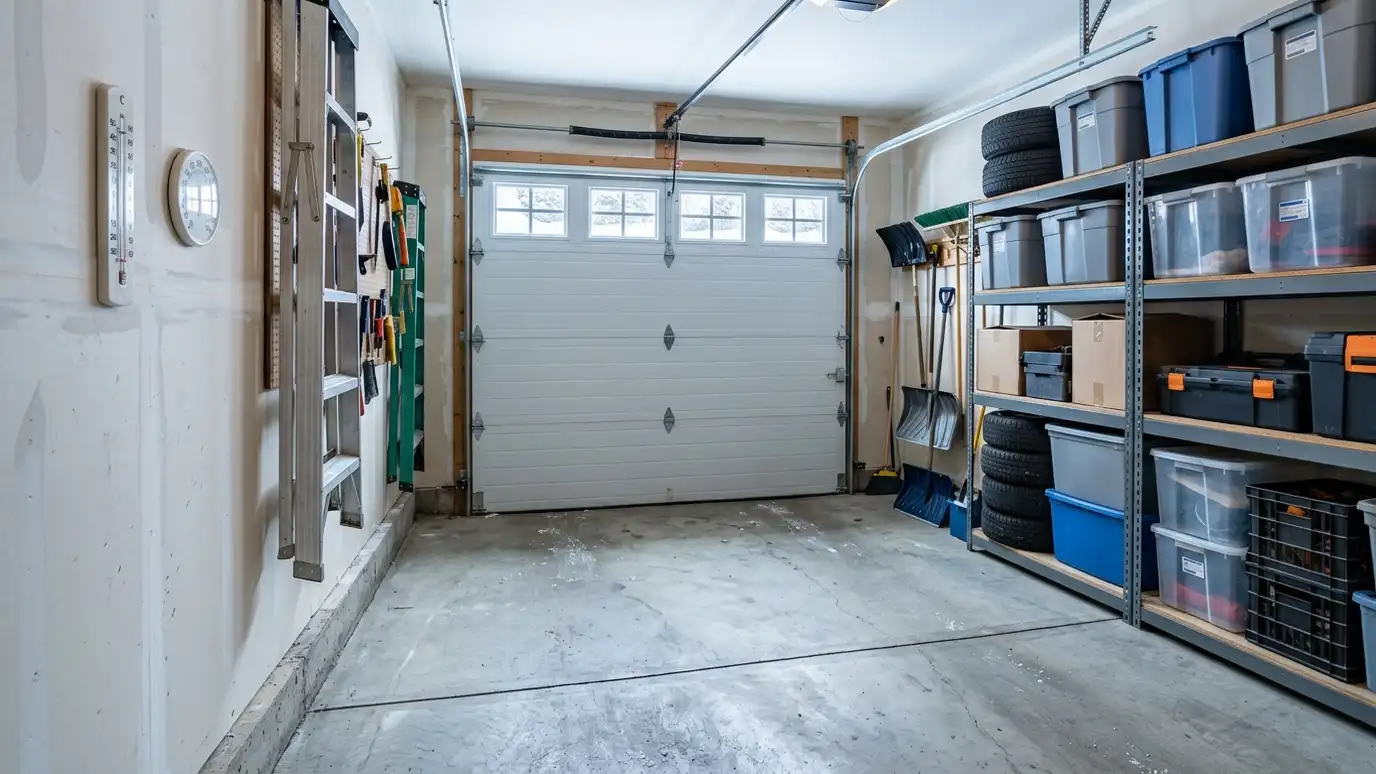
Once a month, watch the door run from inside the garage. Listen for squeaks, grinding and popping, and look for jerky movement, gaps and anything that looks loose or bent.
A change in sound or speed is often the first sign of a problem.
Keep a note of what you notice, since it helps us find the cause quickly.
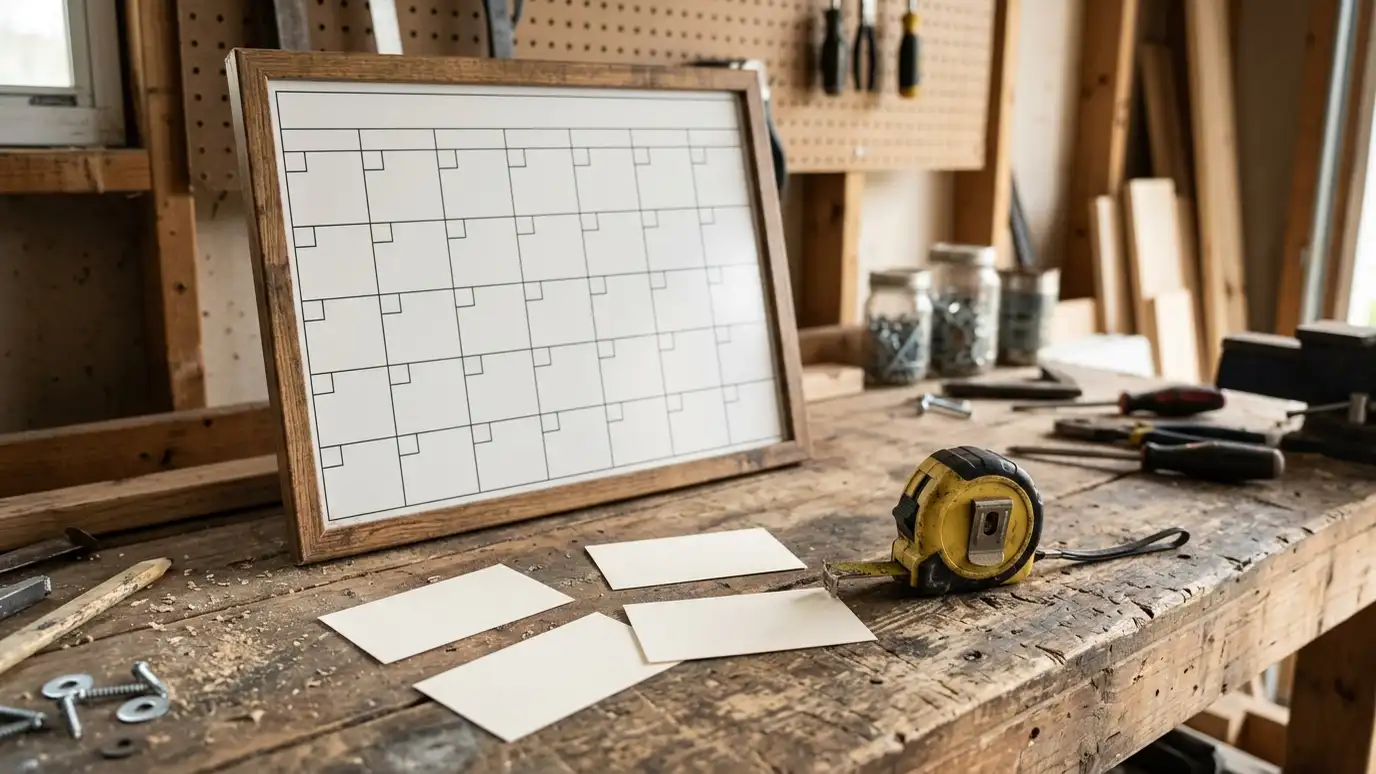
Choose a day each month, such as the first Saturday, and make the check a habit. A minute with the door while you listen is often all it takes to notice that something has changed.
Clean the tracks and the door
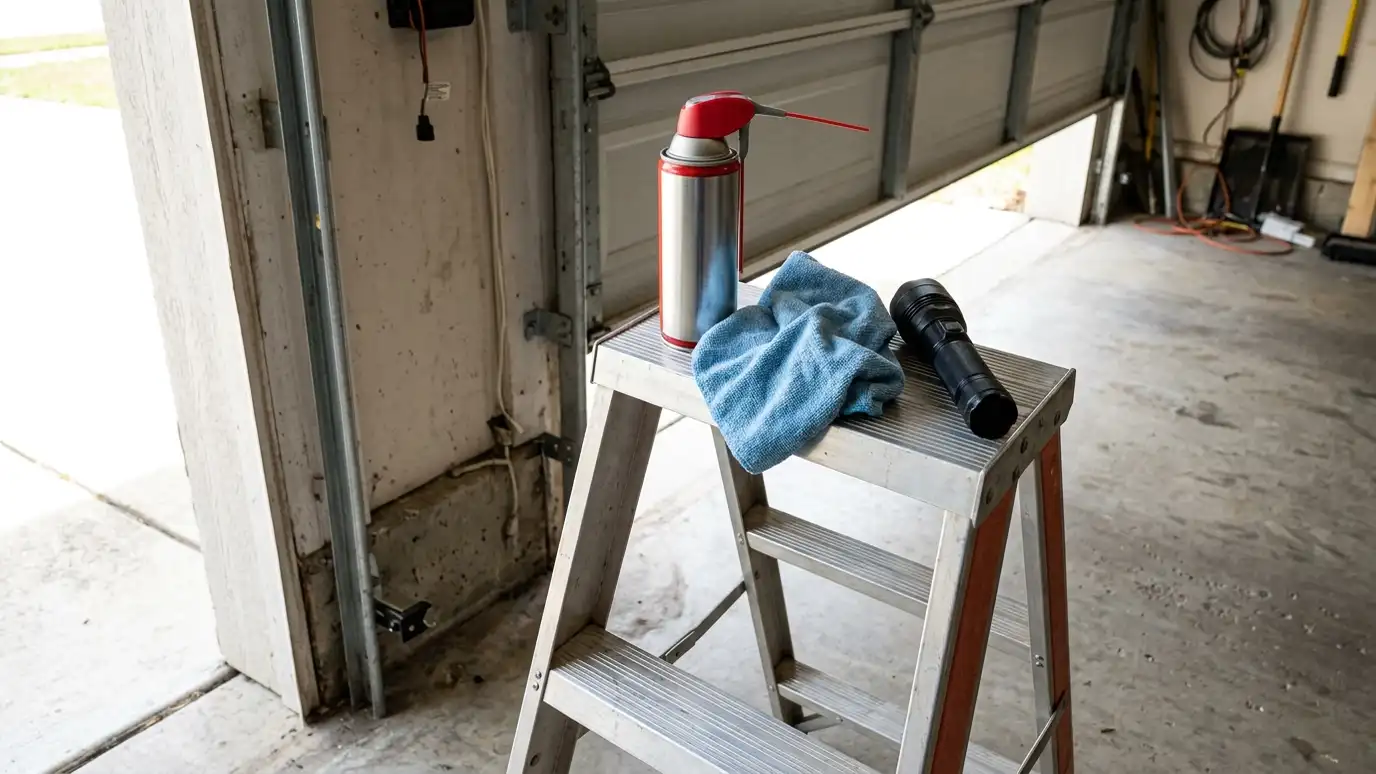
Wipe the tracks with a dry or slightly damp cloth to remove dust and debris, and wash the door with mild soap and water. Do not lubricate the track surface, since it collects dirt.
Clean the photo-eye lenses with a soft cloth, and check that nothing blocks them.
Keep the area around the door free of items that could fall into the path.
If you pressure wash the front of the house, protect the opener, the sensors and the electrical parts. Wash the door by hand with mild soap, and let it dry fully before you close it.
Lubricate twice a year
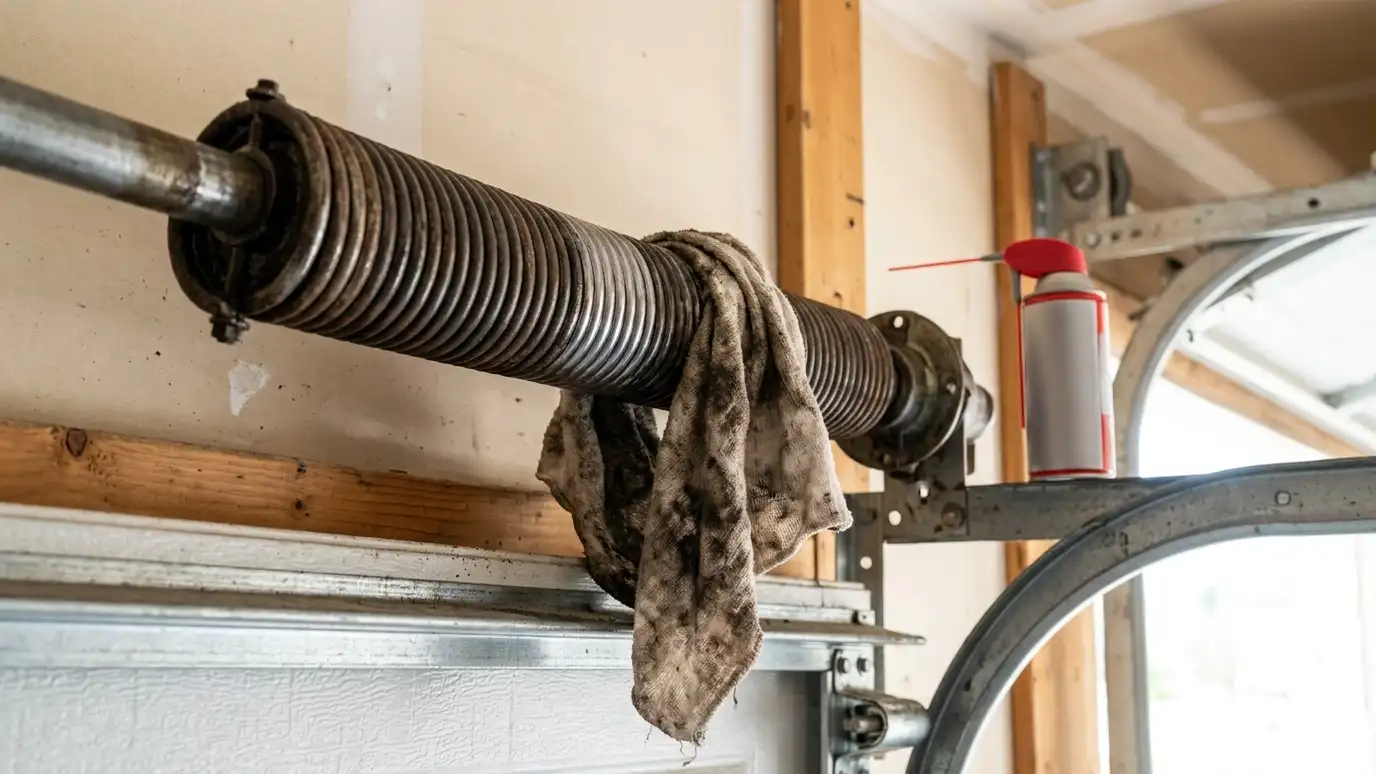
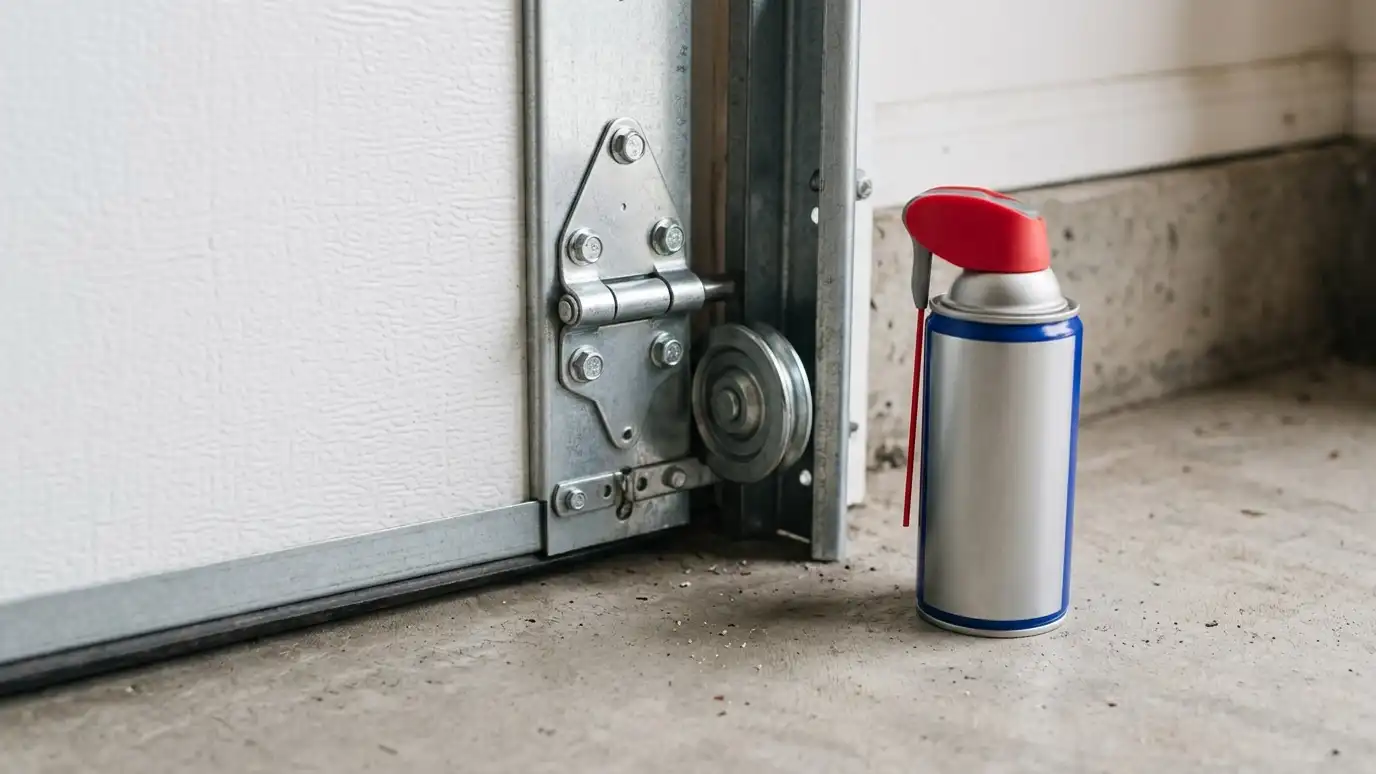
Use a lubricant made for garage doors on hinges, roller stems, spring coils and bearing plates. A light coat is enough. Wipe away extra, and keep lubricant off belts and sensors.
Many owners lubricate in spring and fall.
If a part is stiff after lubrication, it may be worn.
Use only a small amount of lubricant, and wipe off drips. Too much attracts dust and can stain the floor or the door. If you are unsure which product to use, ask us and we will recommend one.
Test balance and reverse
With the door closed, pull the release handle to disconnect the opener, then lift the door by hand about halfway. It should stay in place. If it drops or rises, call us, since the springs need attention. Reconnect the opener afterward.
Test auto-reverse with a block of wood on the floor. The door should reverse when it touches the block.
Test the photo eyes by waving an object through the beam while the door closes.
If the door does not stay put when lifted halfway, do not keep testing it. Close it as safely as you can, stay clear and call us. An unbalanced door can drop suddenly.
Check hardware and seals
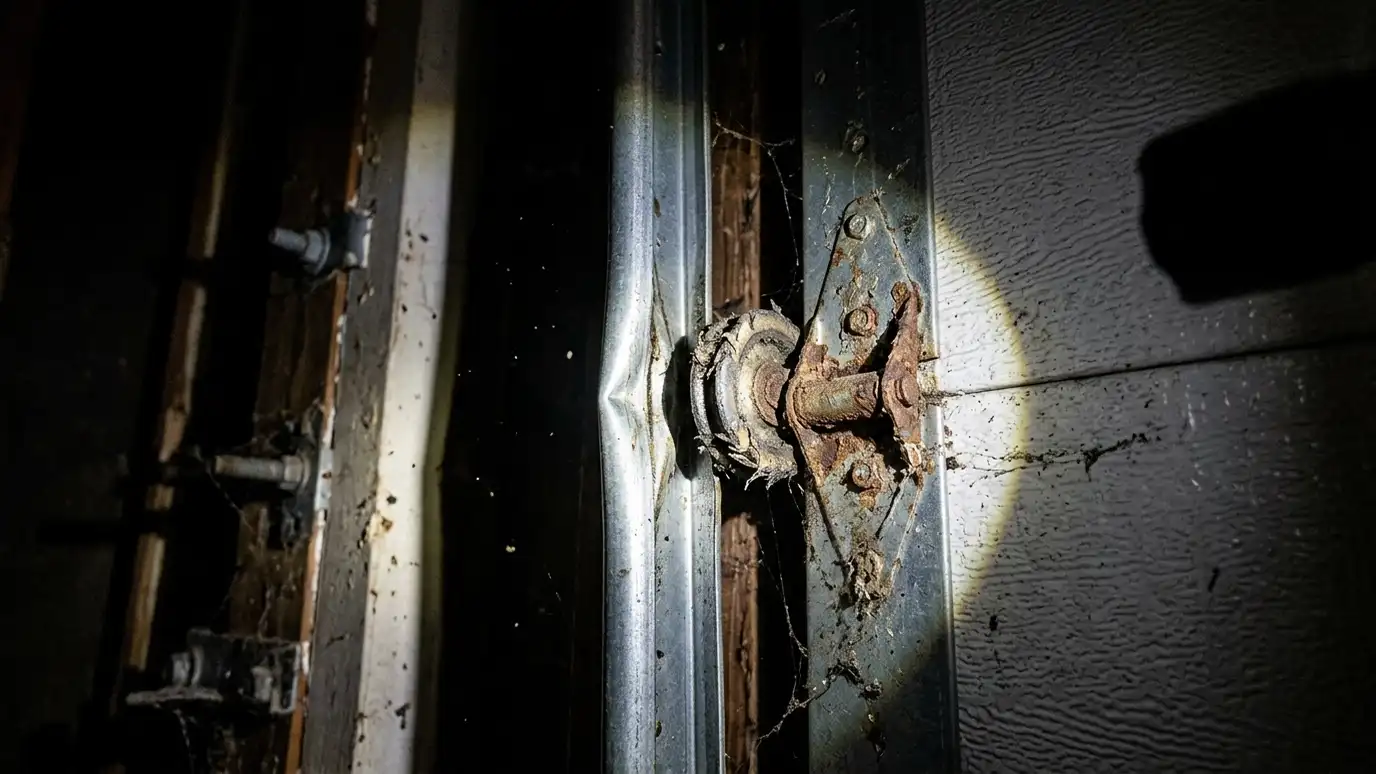
Look at the bolts, brackets and hinges for looseness and cracks. Look at the cables for fraying, and the bottom seal for cracks and gaps.
Do not touch springs, cables or bottom brackets, since they are under tension.
Note anything that looks worn and call us for a visit.
While you are looking at the hardware, check the bottom seal. If it is cracked or flattened, a replacement is a quick and useful fix that keeps out water, drafts and pests.
Schedule a professional tune-up
A yearly tune-up catches problems before they become emergencies. A technician checks springs, cables and drums, tests the opener and sets balance and force.
Our care plans can handle the schedule for you.
A little regular attention makes a door last longer and run quieter.
Keep a simple log of dates, observations and repairs. A short list helps us understand the history of the door, and it helps you decide when a repair stops making sense and a replacement begins.
Look, listen and clean monthly, lubricate twice a year, test the safety features and book a yearly tune-up.