What insulation does
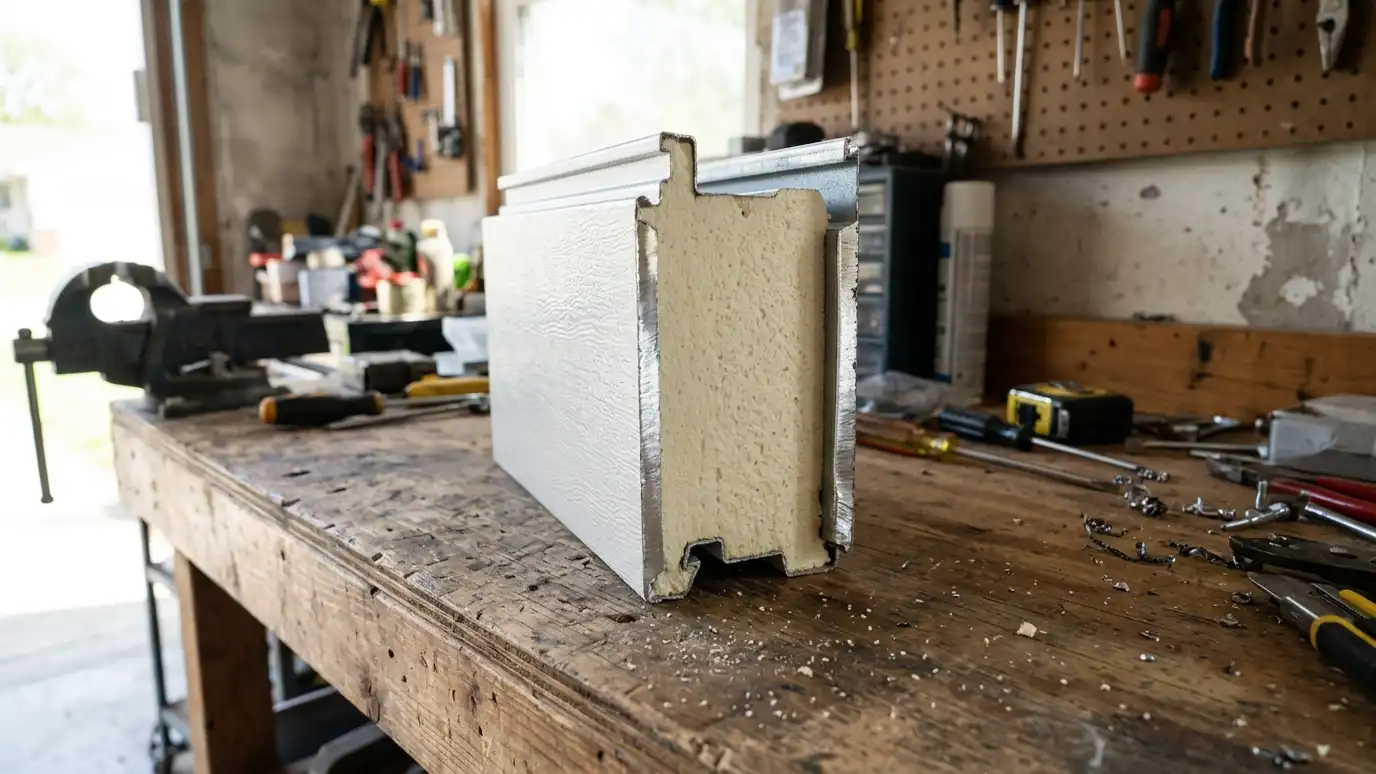
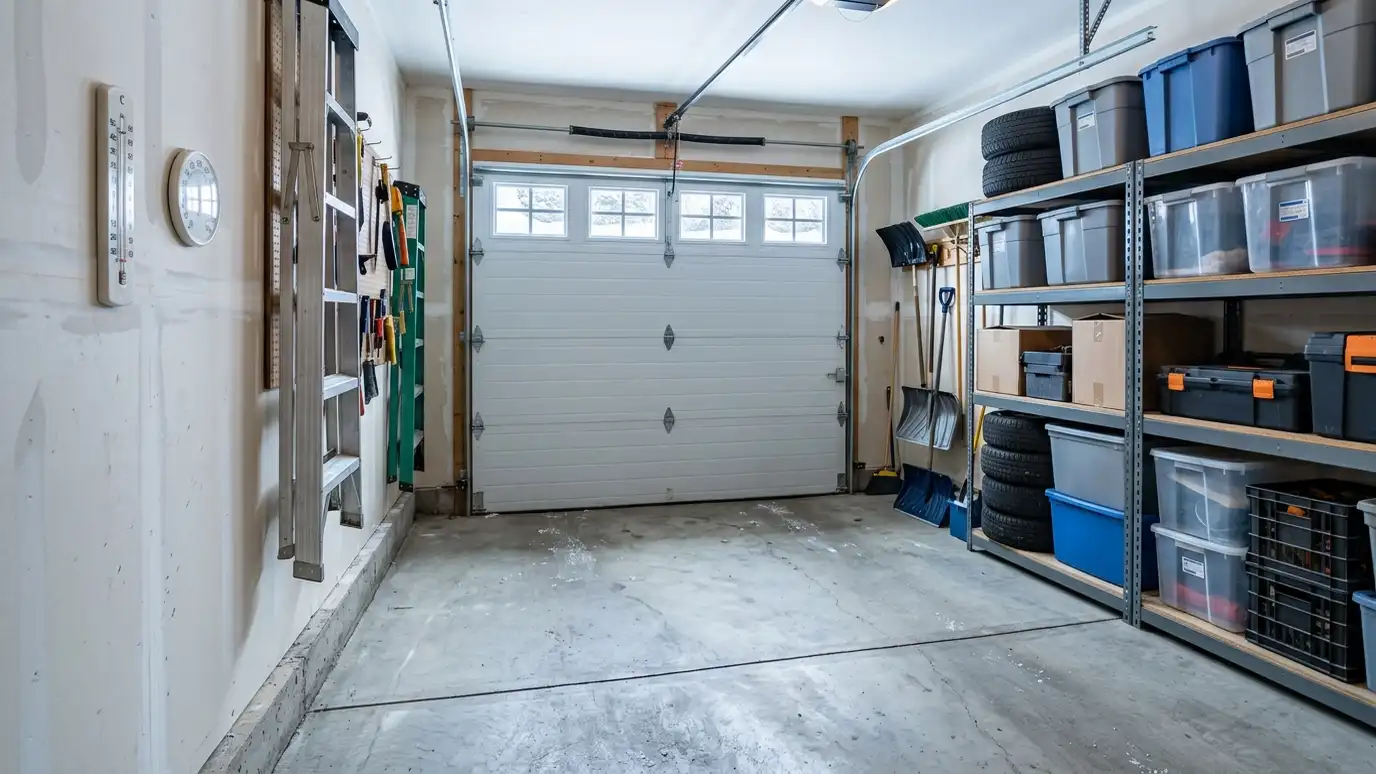
An insulated garage door has foam between two layers of steel or inside a composite shell. The foam slows heat, stiffens the door and dampens noise. For an attached garage or a room above the garage, that can make a noticeable difference.
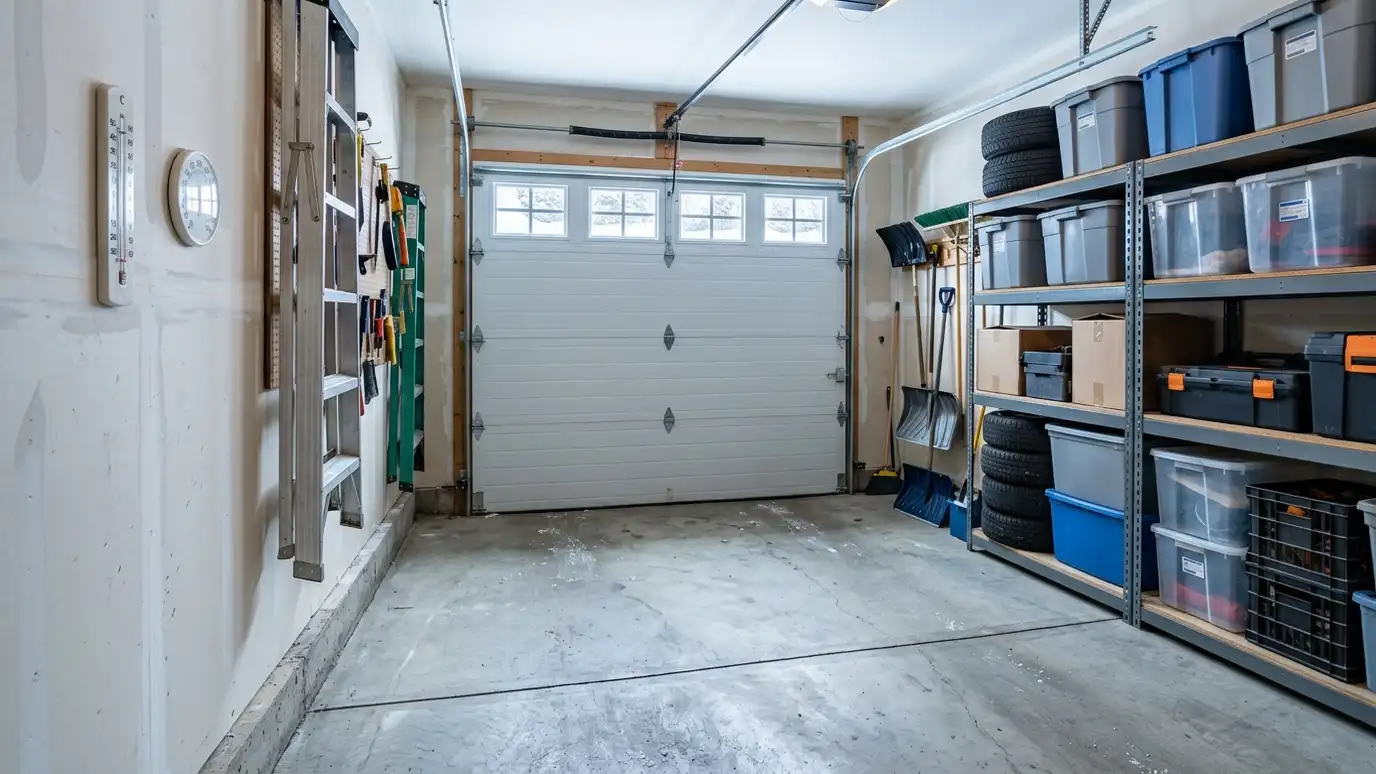
An uninsulated door is still fine for a simple storage garage, where comfort matters less.
Think about how you use the space before you decide.
It also helps to think about the room next to the garage. A bedroom above or a family room behind a shared wall benefits most, while a detached garage used for storage may not need insulation at all.
Reading R-value
R-value measures resistance to heat flow, and a higher number means more resistance. Makers often quote it for the door section, and the whole door performs a little differently because of the joints and the seals.
Do not compare numbers without checking how each was measured.
A door with a modest R-value and tight seals can feel better than a higher number with gaps.
If you compare numbers, make sure they are for the same thing. A section value and a whole-door value are different measurements, and a brochure may mix them. Ask us to explain which one you are looking at.
Polystyrene or polyurethane
Polystyrene panels are rigid foam boards fitted inside the door. Polyurethane is injected as a liquid, expands and bonds to the skins, which usually adds stiffness and a higher R-value.
Both reduce noise and make the door feel solid.
We explain the differences and help you choose for your budget and use.
Weight matters too. Polyurethane doors are often stiffer and a little heavier, which can be good for noise and strength, and we check the opener power and spring size to match.
Seals and gaps
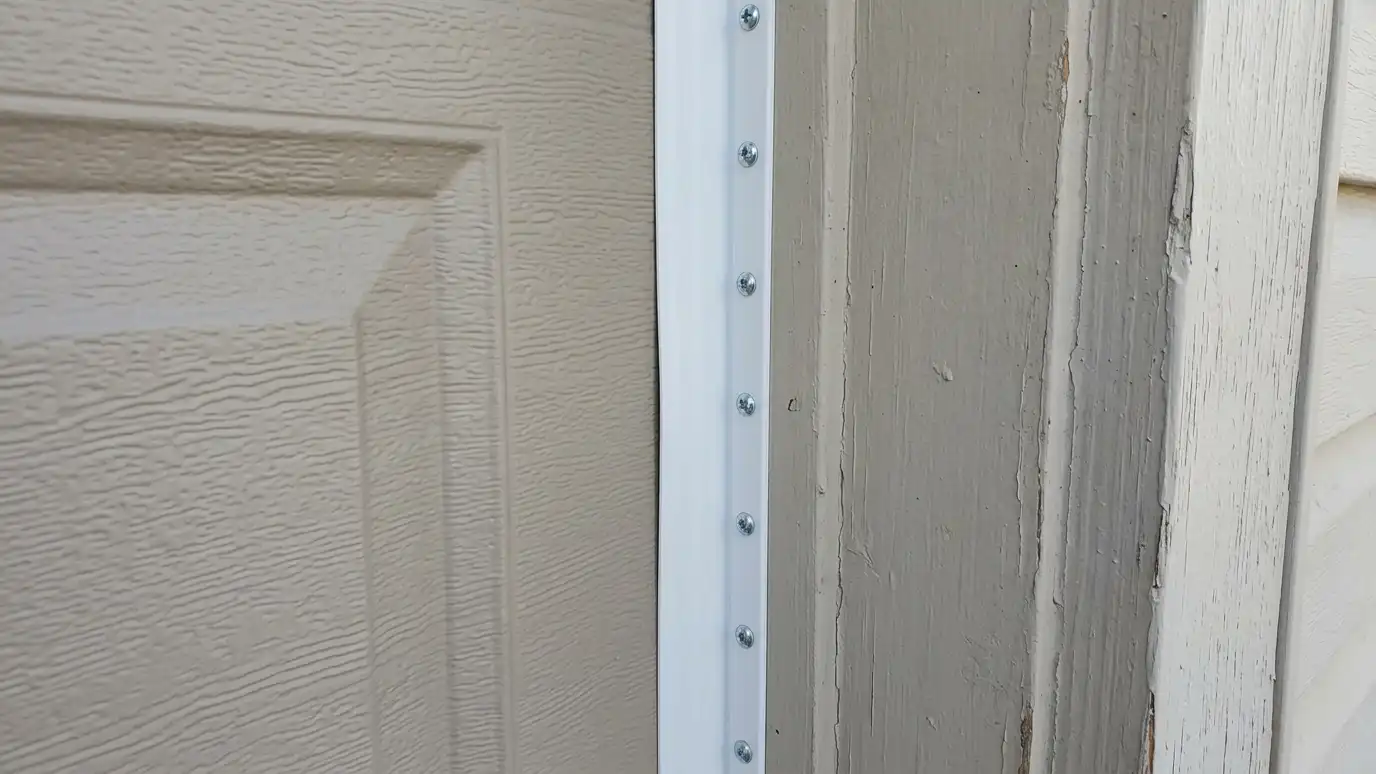
Insulation works best with good seals. A worn bottom seal, side stops that do not touch and gaps at the top let air through no matter how thick the foam is.
We check the full perimeter and replace seals when needed.
An uneven floor can leave a gap, and a threshold strip can help.
Check seals once a year. Bottom seals harden, side seals flatten and top seals tear. A simple inspection and a fresh seal set can bring back much of the comfort your insulation was meant to give.
Kits for existing doors
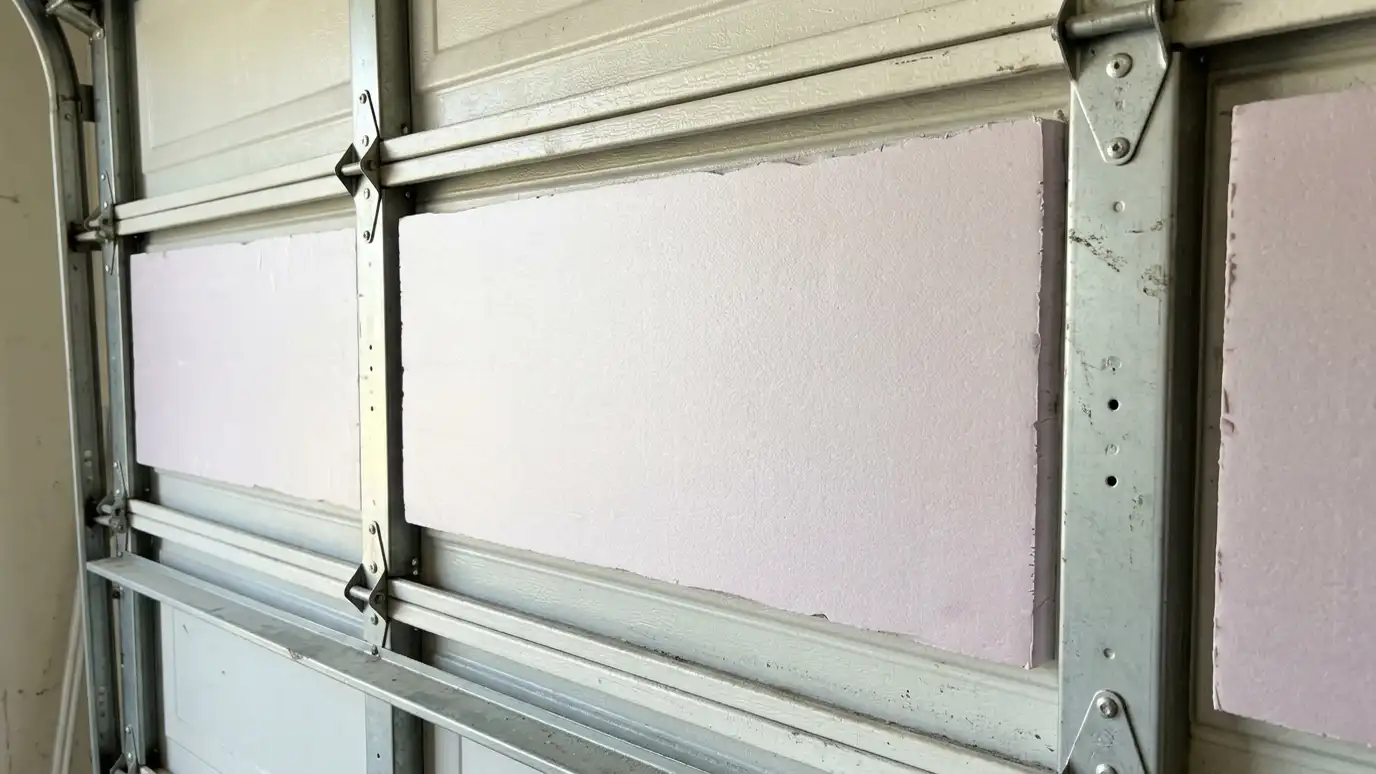
If your door is sound but uninsulated, a kit can add foam or reflective panels to each section. It will not match a factory-insulated door, but it can reduce noise and take the edge off heat and cold.
Kits suit steel doors with flat inner faces. Very light or damaged doors may not take one well.
We check balance after installing a kit, since added weight can affect the springs.
Be realistic about what a kit can do. It adds some comfort and quiet, but gaps and thin sections remain, and the result depends on the door. We tell you honestly what to expect before you buy.
When to replace instead
If the door is old, damaged or already near the end of its life, a new insulated door is usually a better investment than a kit. A new door also brings new tracks, seals and hardware.
Use our insulation picker to see what usually makes sense for how you use the garage, and request a Free Estimate to confirm.
We help you compare both paths honestly.
If you decide on a new door, take the chance to update the seals, the tracks and the opener at the same time. One visit covers everything, and the garage ends up working as a system.
Match the insulation to how you use the garage, and do not forget the seals, which decide how well it works.