Why there is no single price
Two garage doors of the same width can cost very different amounts, because the material, insulation, windows and hardware are different. A basic single-layer steel door in a standard size is a short, simple job. An insulated carriage-house door with windows, heavy-duty springs and a new opener is a much bigger one. Prices you see online are averages across very different projects, which is why they rarely match your own.
The more useful question is what the job really involves. Once a company has measured and looked at your garage, any company can price the same scope, and you can see where the money goes.
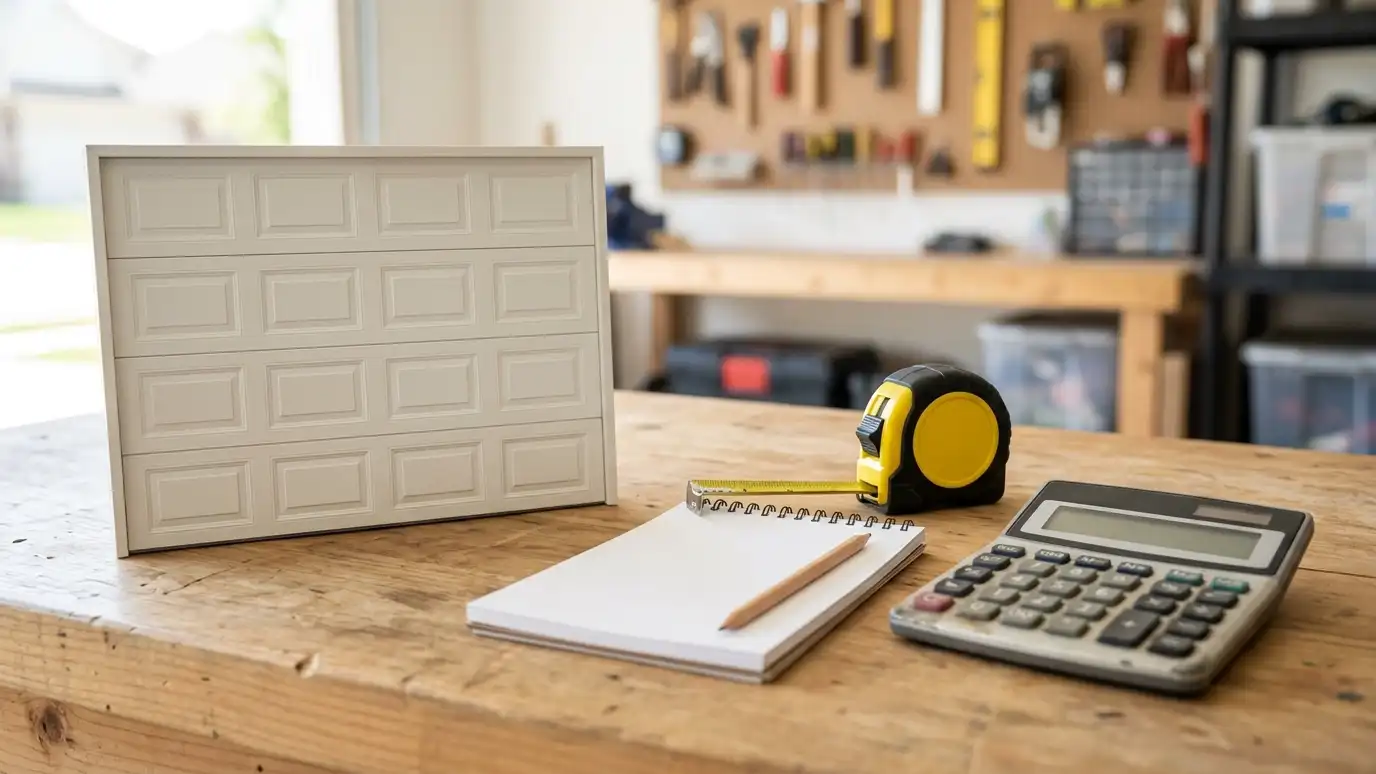
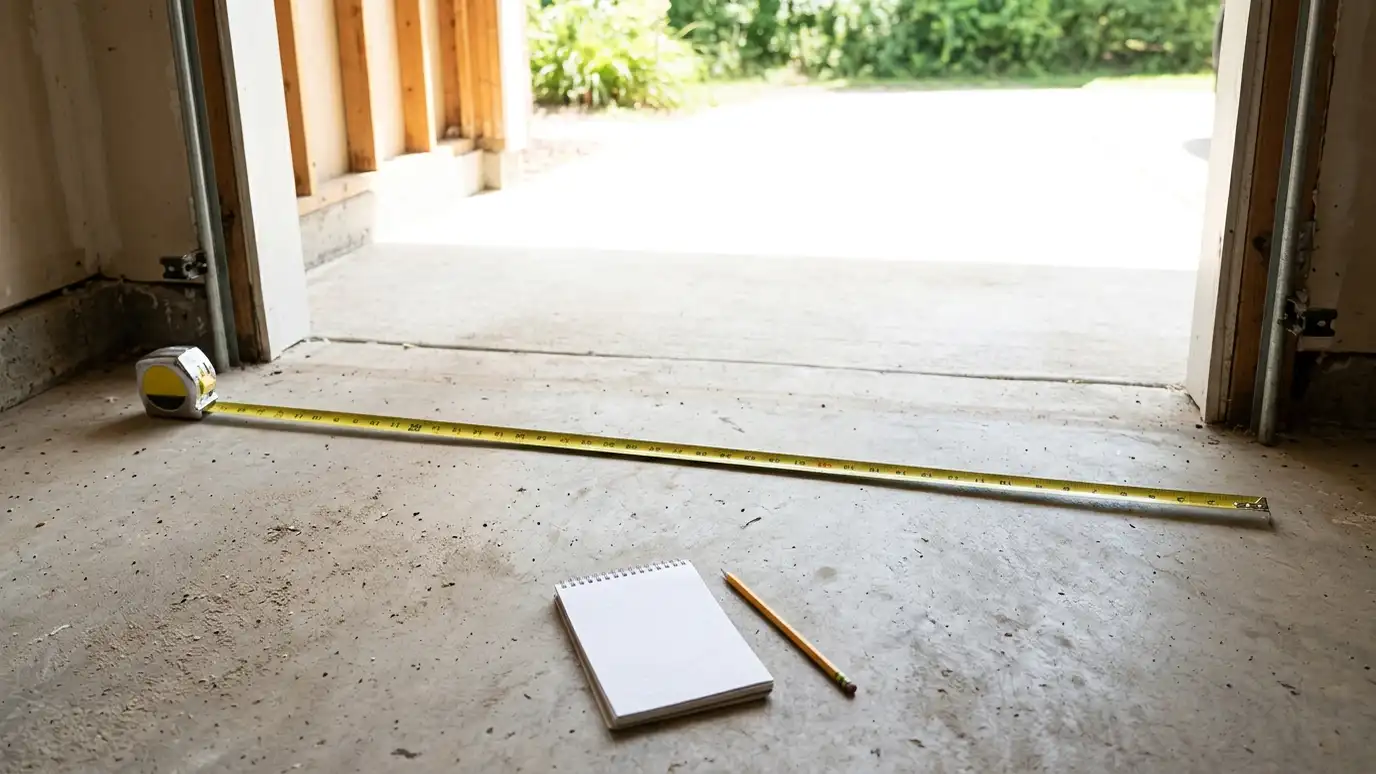
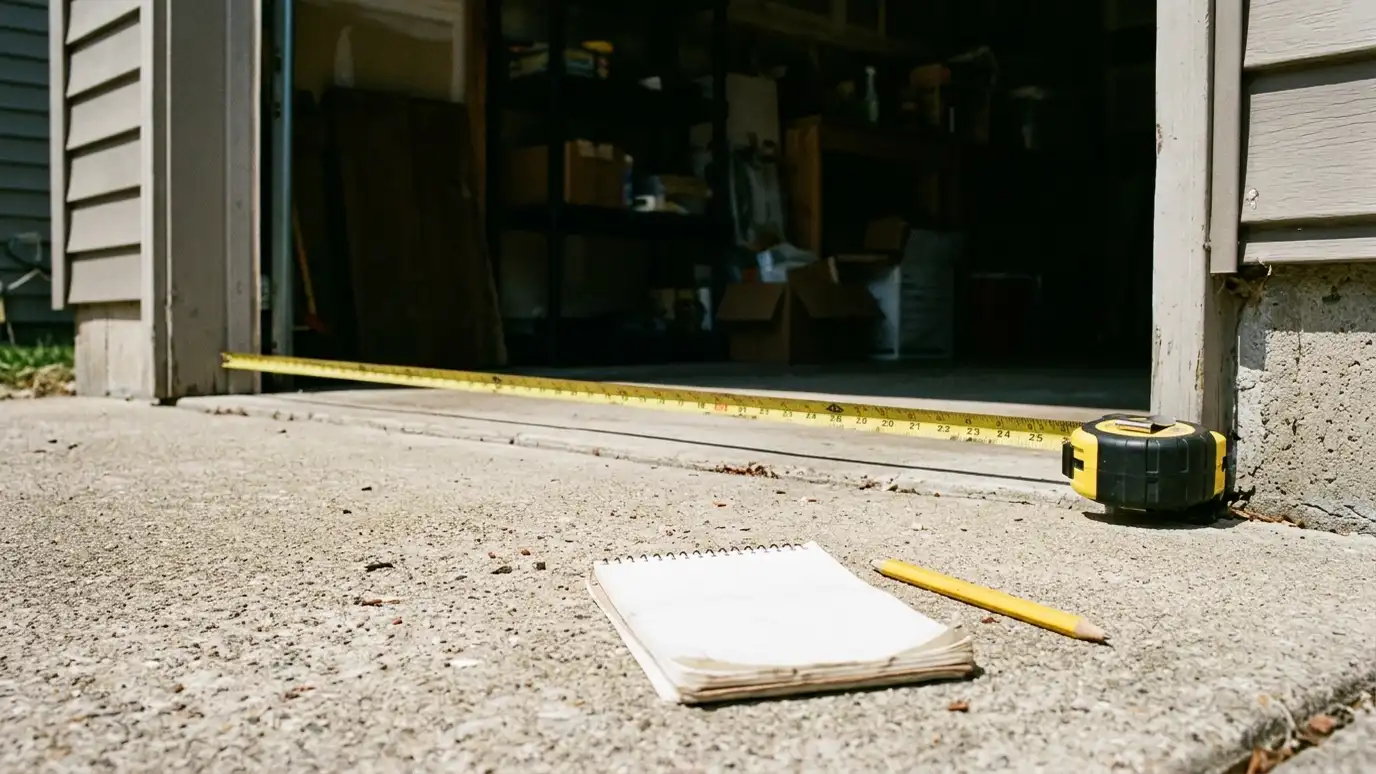
Before anyone gives you a number, note the size, the style you want, any problems you know about and whether you want a new opener. Those details lead to a more accurate range.
A useful habit is to write down your own priorities before comparing quotes: whether you care most about quiet, a particular style, the lowest upkeep or the fastest schedule. Priorities make it easier to see which differences in a quote are worth paying for and which are simply noise.
Door material and construction
Single-layer steel costs less than insulated steel, and insulated steel costs less than most wood, composite and full-view glass doors. Thicker steel and polyurethane foam add stiffness and cost. Custom sizes and special finishes add more.
The construction also affects how long the door lasts and how it feels to use. A well-built door often pays you back in quiet and fewer repairs.
Ask each company to name the exact door model, thickness and insulation in the quote, so you can compare like with like.
Insulation is a good example of a choice with tradeoffs. A thicker, foam-filled door feels more solid and is quieter, though it weighs more and may need a stronger opener. A company that explains why it recommends a construction for your garage is giving you something real to compare.
Size, windows and style
A double door uses more material and heavier hardware than a single door. Windows, decorative handles, carriage-house overlays and special colors each add to the price. Very tall or wide doors need reinforcement and stronger springs.
Style choices are personal, and they are also where many projects change in cost. A plain door is simple, while a custom designer door takes more time and care.
A layout that fits your house well is worth discussing early, since it can change both the look and the cost.
Do not forget that a bigger or more detailed door can also change the labor. Heavy glass sections, tall openings and custom shapes need more hands and more time to hang and balance, and a clear estimate shows how the work is divided.
Springs, tracks and hardware
The springs must match the weight of the door, and a high-cycle spring costs more than a standard one. Heavy-duty tracks, nylon rollers and extra hinges add to the total. A new door on worn old tracks is a false saving.
Hardware choices affect how long the door lasts and how loud it is. A company that explains why it recommends a part is giving you something real to compare.
Ask for the hardware list in writing so you know exactly what is included.
Lower-grade parts can cost more later. A spring with a lower cycle rating wears out sooner, and thin rollers wear tracks. Ask what grade of parts is included, and think about how long you plan to stay in the home.
Openers and extras
A basic chain-drive opener costs less than a belt drive, and a wall-mount or smart opener costs more. Battery backup, extra remotes, keypads and new wiring all add up. Removal and haul-away of the old door is another common line item.
Some owners keep a good opener and replace only the door, and others replace both at once. We help you decide what makes sense for your situation.
Make sure every quote lists what it includes, so you can see the real total.
Ask whether wiring, an outlet, a wall control or a new header is needed. These small items are often left out of a first quote and then appear later. A written scope that lists them keeps the total honest.
How to compare quotes fairly
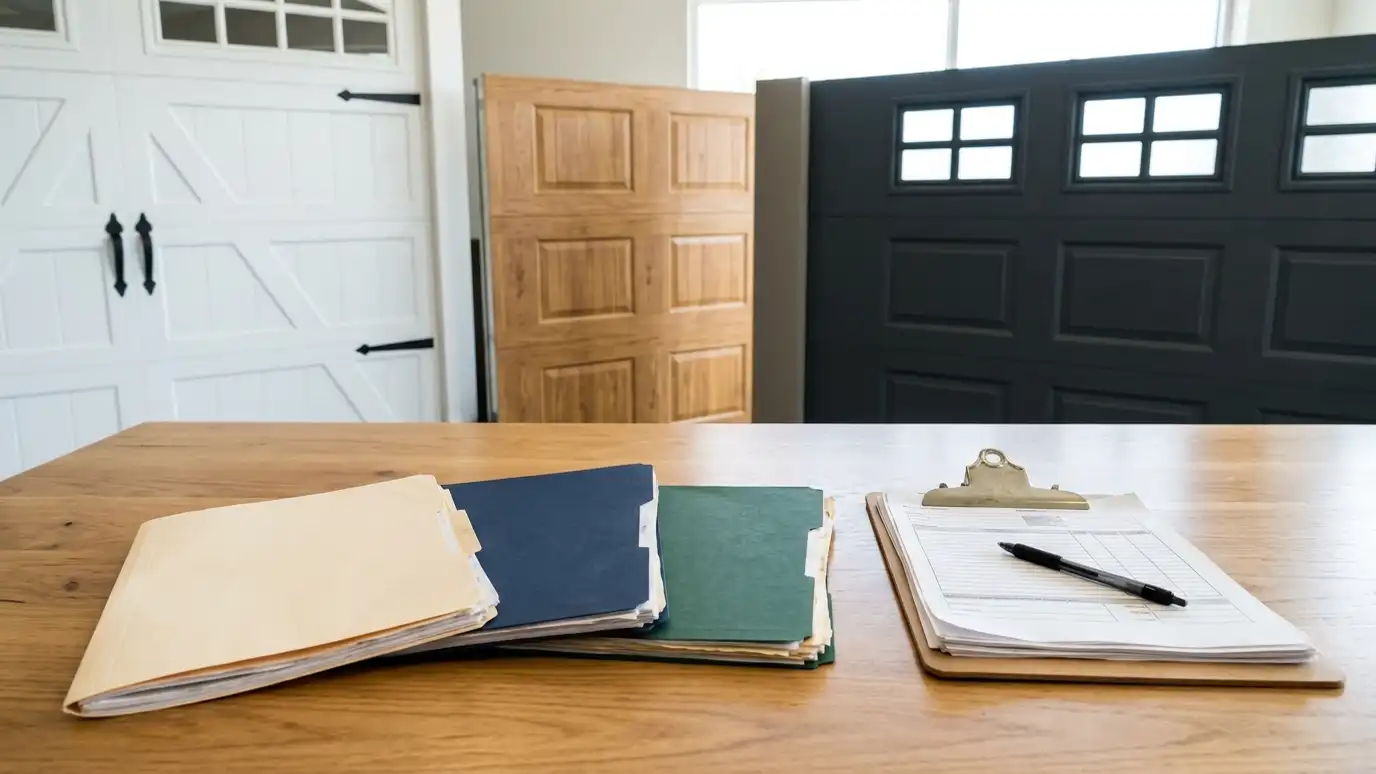
Ask each company for the same details: door model, thickness, insulation, spring type, hardware, opener, removal and schedule. A very low quote may leave out something that matters, such as seals, haul-away or the right springs.
Compare the whole plan, not just the number. A clear written scope, careful installation and good communication are worth something.
Clear answers during the estimate are a good sign of how the project will go.
Finally, ask about timing. A special-order door may take weeks, and a rush can add to the cost. A realistic schedule written into the estimate protects you from surprises and lets you plan around the work.
Get the scope in writing, ask every company to price the same door, springs and opener and weigh each quote against how well it fits your home.