What springs do
A garage door weighs hundreds of pounds, and springs balance that weight so the door can be lifted by an opener or by hand. When springs are right, the door feels light and stays where you leave it.
When they weaken or break, the opener has to do the lifting, and it can fail quickly.
Springs are the part that wears out most often, and they are the most dangerous part to handle.
A balanced door should stay in place when lifted halfway by hand with the opener disconnected. If it does not, the springs are out of balance or weak. Do this test only with healthy springs, and call us if the door feels heavy.
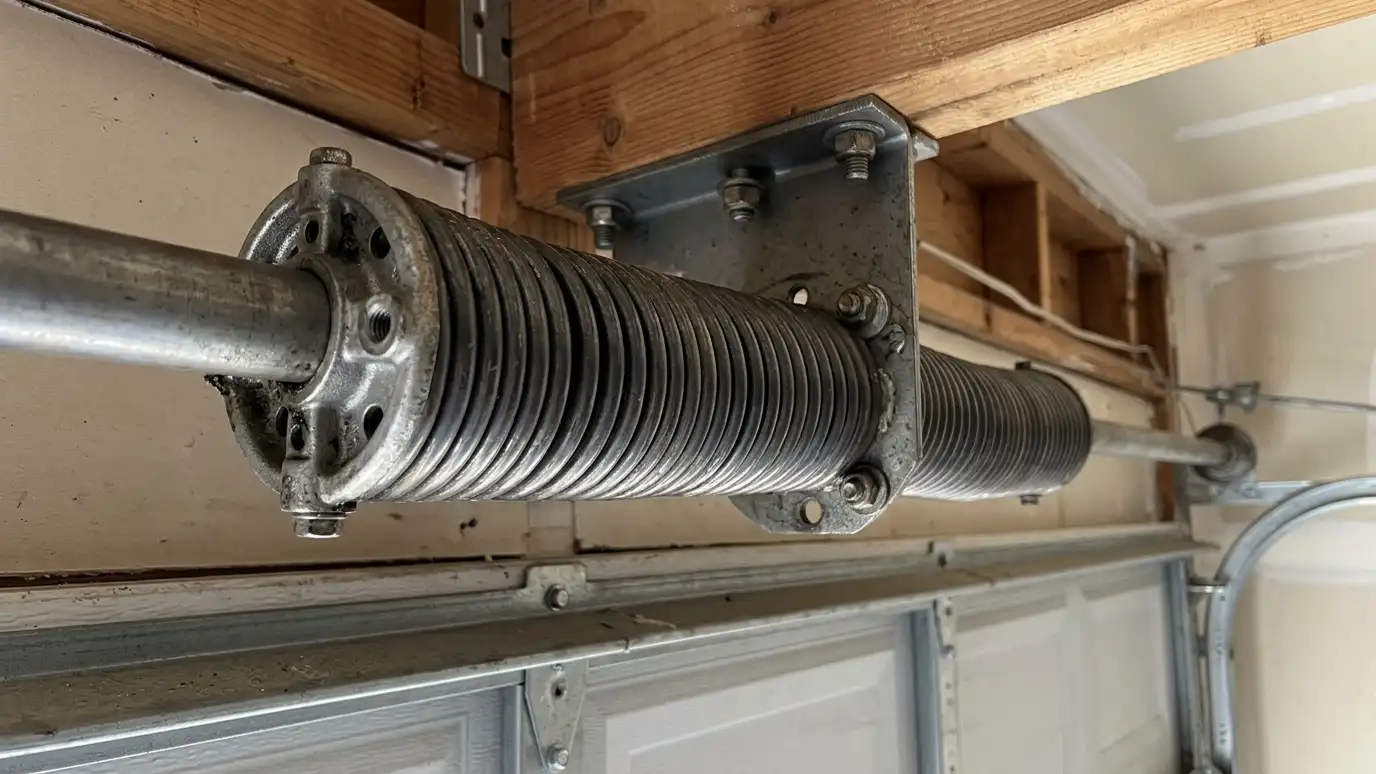
Torsion springs
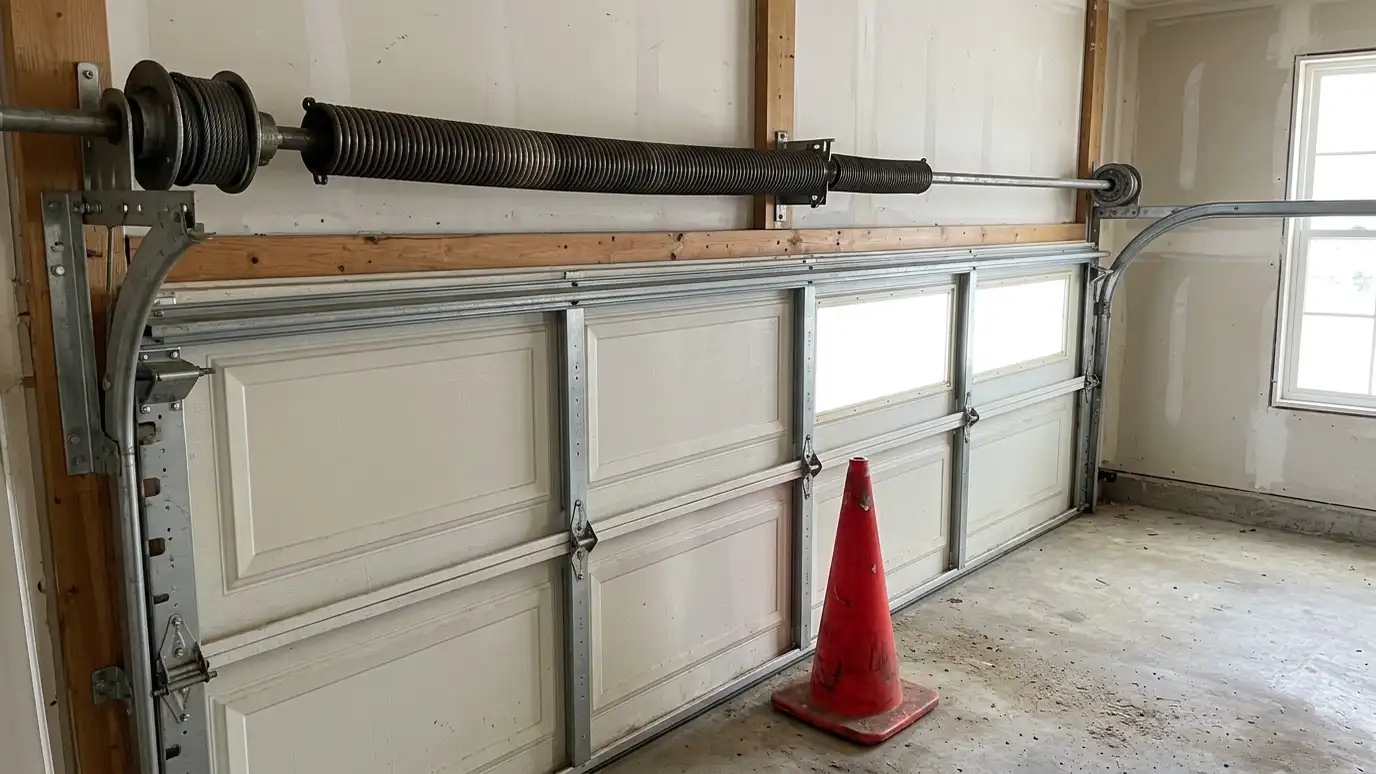
Torsion springs sit on a shaft above the door and twist to store energy. They provide smooth, even lift and typically last longer. Most modern doors use them.
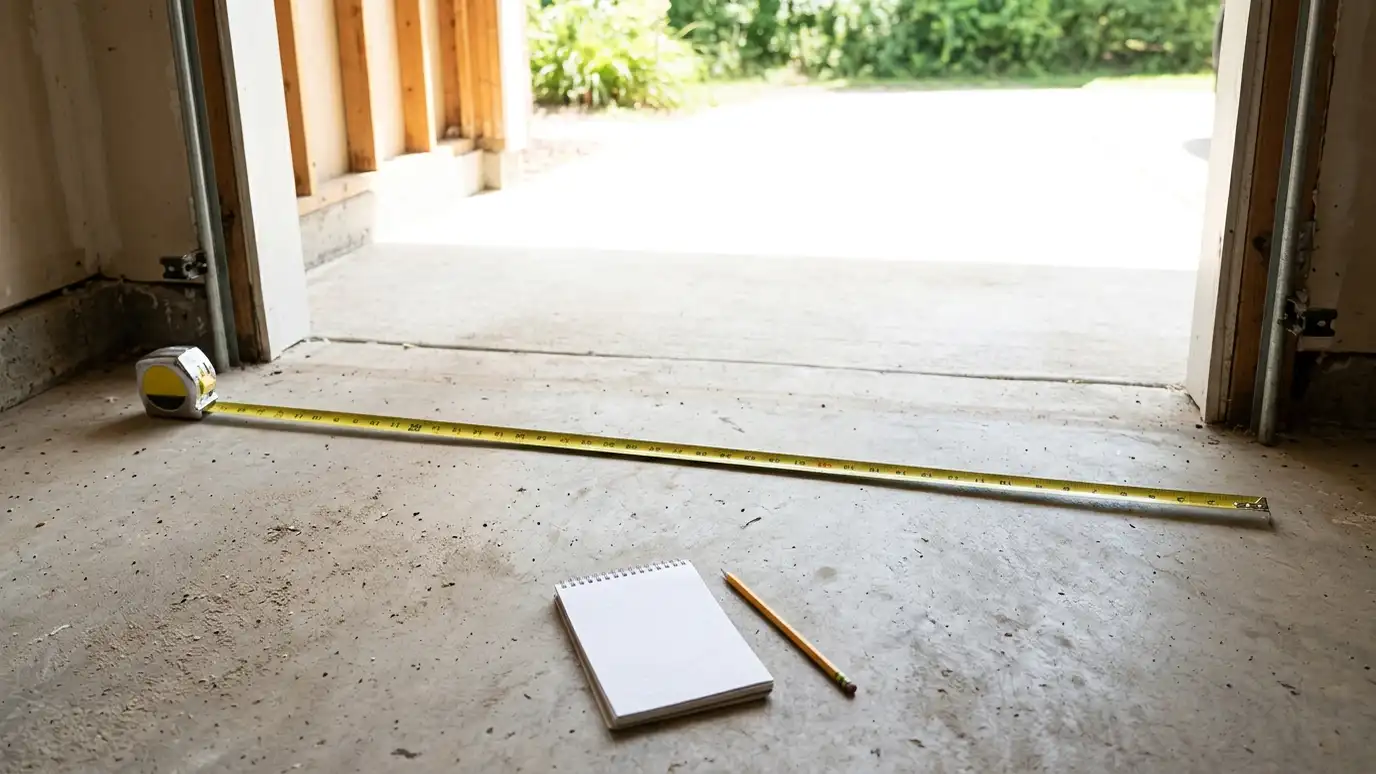
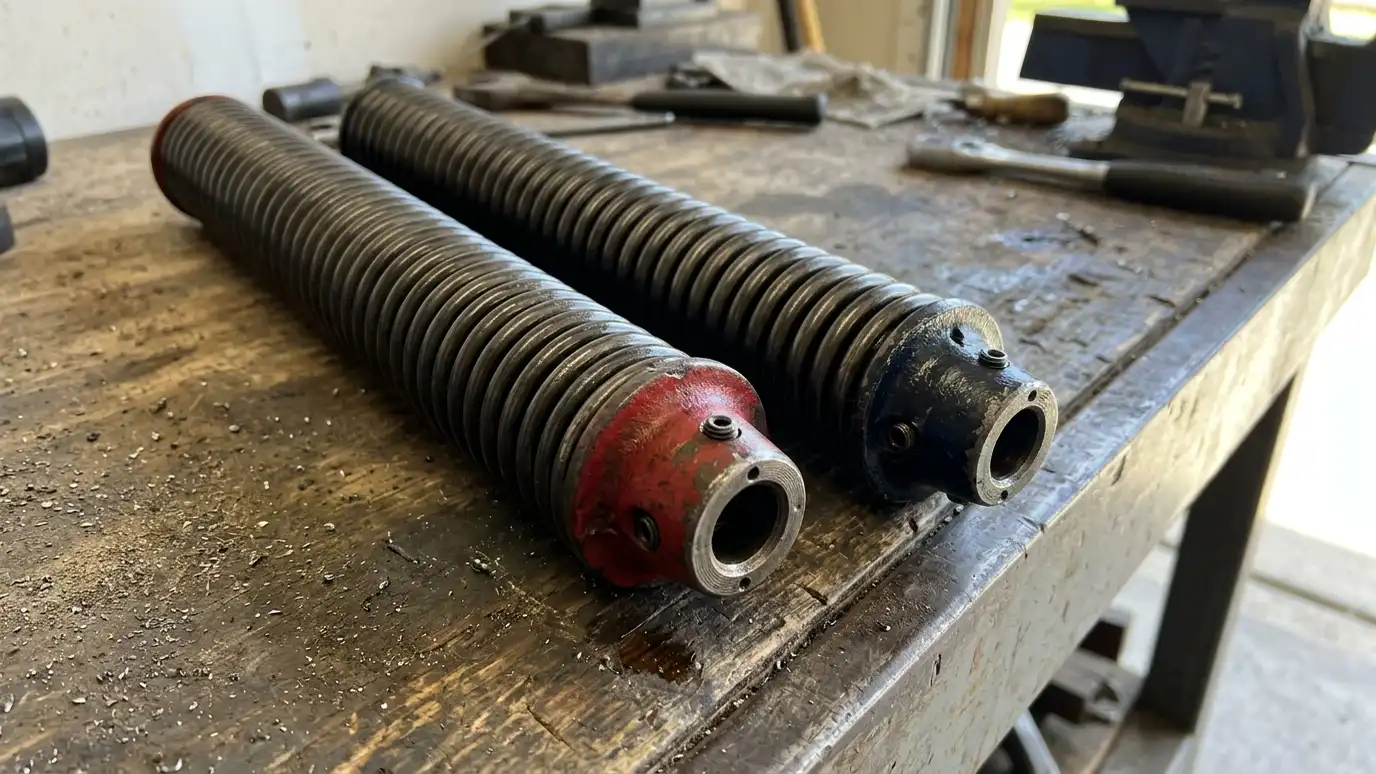
They are sized by wire diameter, inside diameter and length, all matched to the door weight and height.
When a torsion spring breaks, it stays on the shaft, which is safer than other designs.
Torsion springs are sized to the door, so replacing them with the wrong size makes the door feel heavy or fast. We weigh the door and check the old spring data before ordering, so the new ones suit your door exactly.
Extension springs
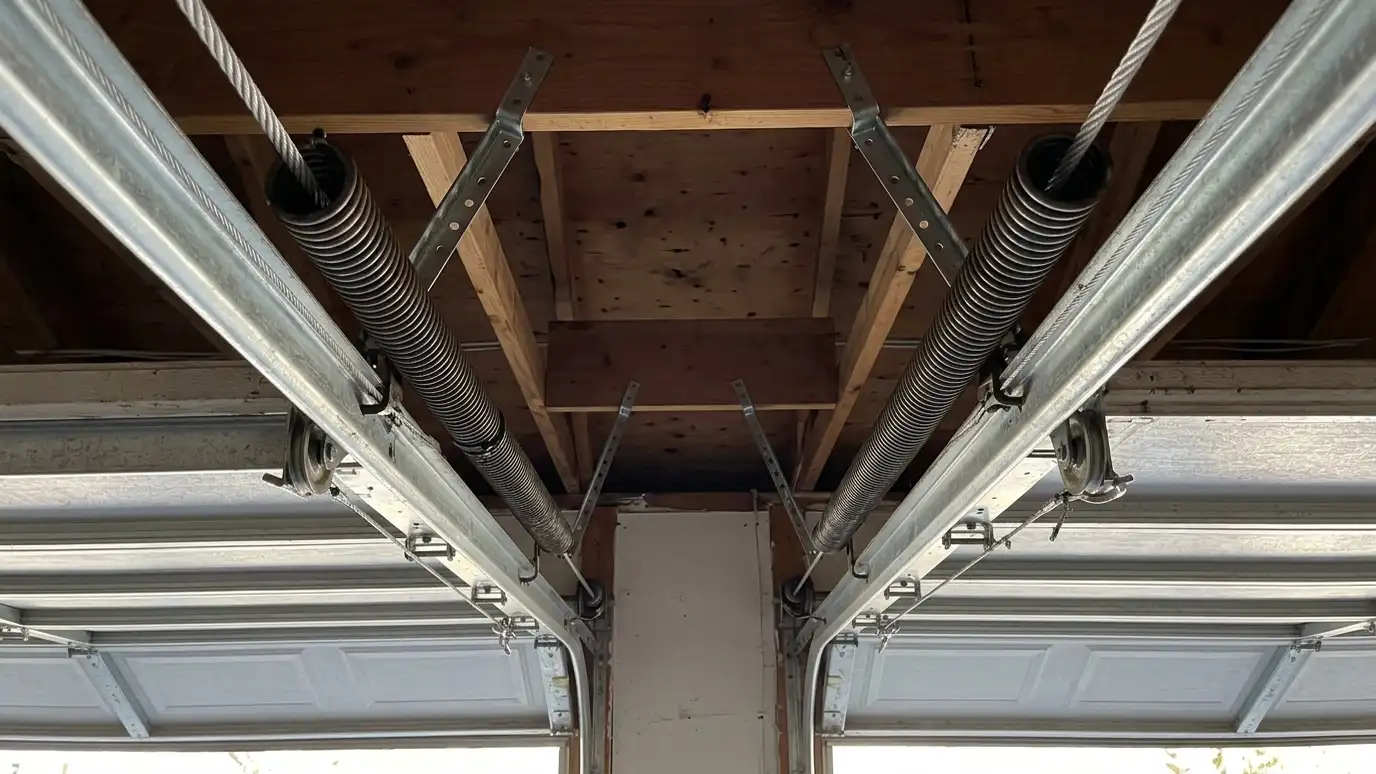
Extension springs run along the horizontal tracks and stretch as the door lowers. They are common on older and lighter doors, and they need safety cables so that a broken spring cannot whip across the garage.
They tend to wear faster and lift less smoothly.
Many owners convert to torsion for a smoother, longer-lasting system.
If you have extension springs, inspect the safety cables. A cable that runs through each spring holds the pieces in place if the spring breaks. If your cables are missing or frayed, call us before the springs fail.
Cycles and lifespan
A cycle is one full open and close. A standard spring is often rated around ten thousand cycles, and a high-cycle spring is rated for more. A family that opens the door several times a day can use up a standard spring in a few years.
Busy households and commercial doors benefit from high-cycle springs.
Rust and lack of lubrication shorten spring life.
To estimate your cycles, count how many times a day the door opens and closes. Four trips a day is about fifteen hundred cycles a year, and a busy home can double that. We use the number to recommend a spring.
Signs a spring is failing
A loud bang, a door that will not lift, a door that feels very heavy, a visible gap in a torsion spring coil or a door that drops quickly are all signs. Rust and stretching also warn you.
If you see these signs, stop using the door and call us.
Do not try to lift a door with a broken spring.
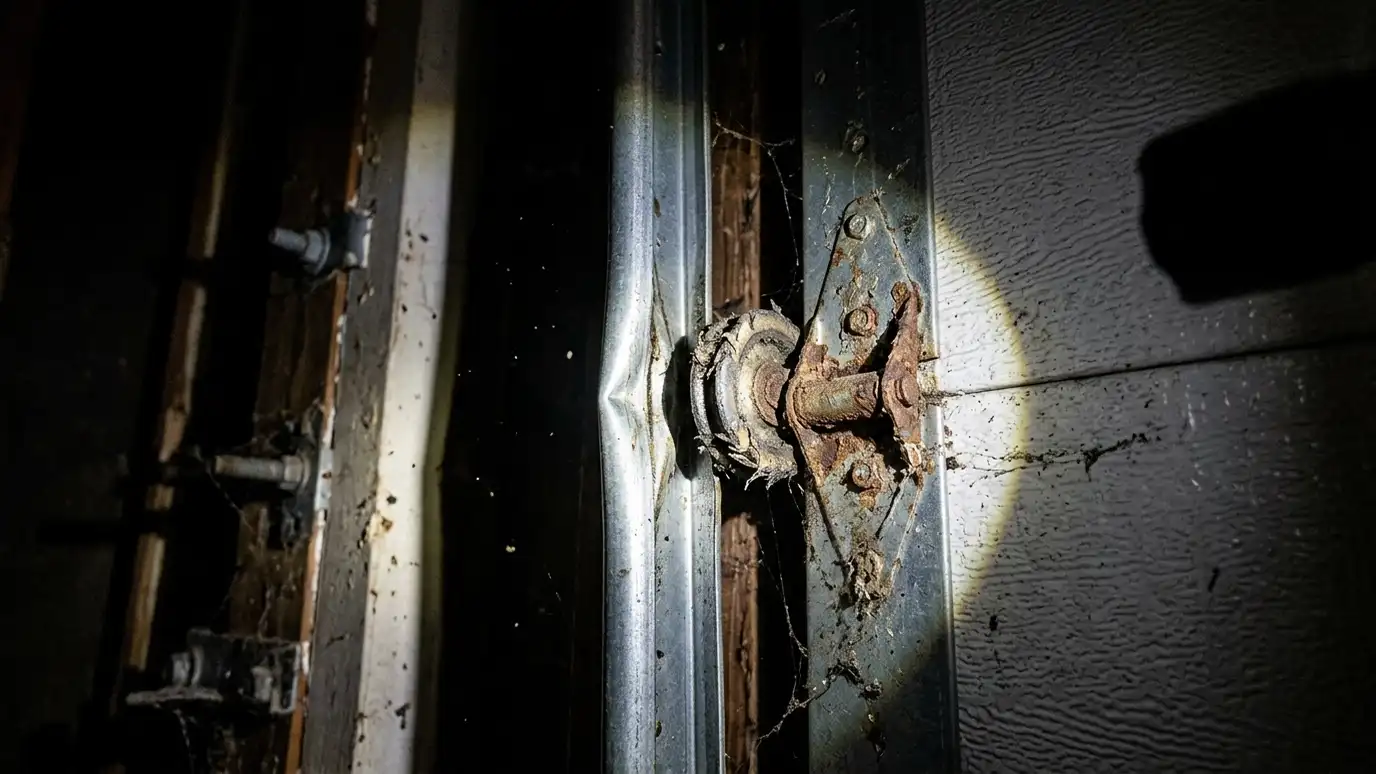
Rust is a hidden enemy. A spring coil that shows rust or red dust is wearing, and lubrication slows the process. If you see a gap in the coil, the spring has already broken.
Why professionals should do it
Springs hold a great deal of stored energy, and winding them without the right tools and training can cause serious injury. We use proper winding bars, secure the door and replace springs in pairs.
We also inspect cables, drums and bearings while the shaft is accessible, and we balance the door afterward.
It is one of the best examples of a repair that is worth leaving to a professional.
Safety is the main reason we ask owners to leave spring work to us. We also replace worn parts around the spring, and we test the balance and the opener to leave the whole system working smoothly.
Replace springs in pairs, consider high-cycle springs for busy doors and leave the winding to a trained professional.